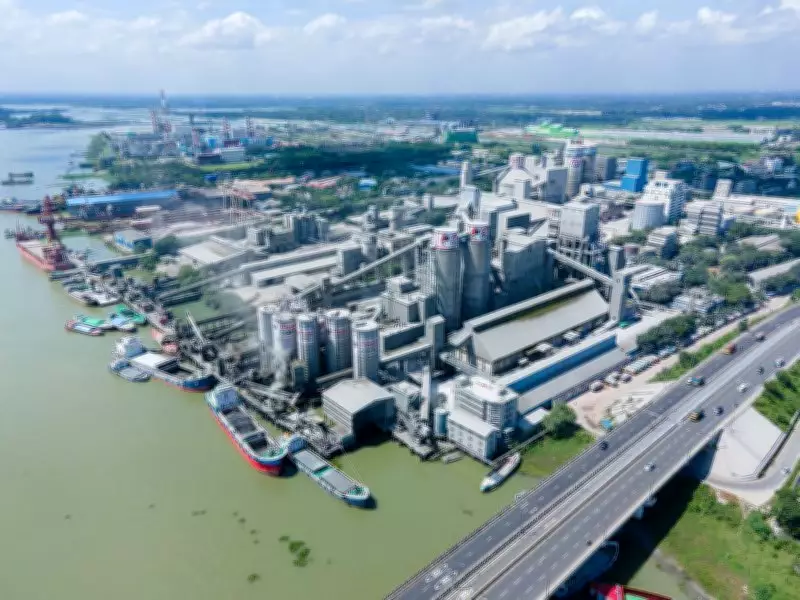
The central government has called upon state governments to submit bids for the development of 50 industrial parks under the Bhavya scheme. This initiative aims to bolster the country's manufacturing sector and drive economic expansion. The scheme is part of the government's broader strategy to create a conducive environment for industries, generate employment opportunities, and enhance the ease of doing business across states.
Key Objectives of the Bhavya Scheme
The Bhavya scheme is designed to establish state-of-the-art industrial parks equipped with modern infrastructure. These parks will offer plug-and-play facilities to attract both domestic and foreign investments. The government expects that the parks will serve as hubs for industrial activity, fostering innovation and collaboration among businesses.
Benefits for States
States selected for the industrial parks will receive financial support and technical assistance from the central government. The parks are anticipated to create a multiplier effect on local economies by generating direct and indirect employment, boosting ancillary industries, and improving overall infrastructure. Additionally, the scheme promotes balanced regional development by encouraging industrialization in less developed areas.

Implementation Process
The bidding process will involve states submitting detailed proposals outlining land availability, infrastructure plans, and potential industry clusters. The central government will evaluate these proposals based on criteria such as feasibility, environmental impact, and alignment with national industrial policies. Successful states will then enter into agreements to develop and manage the parks.
Impact on India's Manufacturing Landscape
The establishment of 50 industrial parks is expected to significantly enhance India's manufacturing capacity. By providing ready-to-use infrastructure, the scheme reduces the time and cost for businesses to set up operations. This move aligns with the government's 'Make in India' initiative and aims to position India as a global manufacturing hub.
Industry experts believe that the Bhavya scheme will attract investments in sectors such as electronics, automotive, pharmaceuticals, and textiles. The parks will also incorporate sustainable practices, including green energy and waste management systems, to minimize environmental impact.
Challenges and Considerations
While the scheme holds promise, its success depends on effective coordination between central and state governments. Issues such as land acquisition, regulatory approvals, and infrastructure connectivity need to be addressed promptly. The government has assured that a streamlined approval process will be implemented to facilitate quick execution.
Furthermore, states must ensure that the industrial parks are integrated with local supply chains and labor markets to maximize benefits. Training programs and skill development initiatives will be essential to prepare the workforce for new job opportunities.
Conclusion
The centre's call for bids marks a significant step towards realizing the vision of a self-reliant India. The Bhavya scheme is poised to transform the industrial landscape, driving economic growth and creating millions of jobs. With active participation from states, the initiative can set a benchmark for public-private partnerships in infrastructure development.