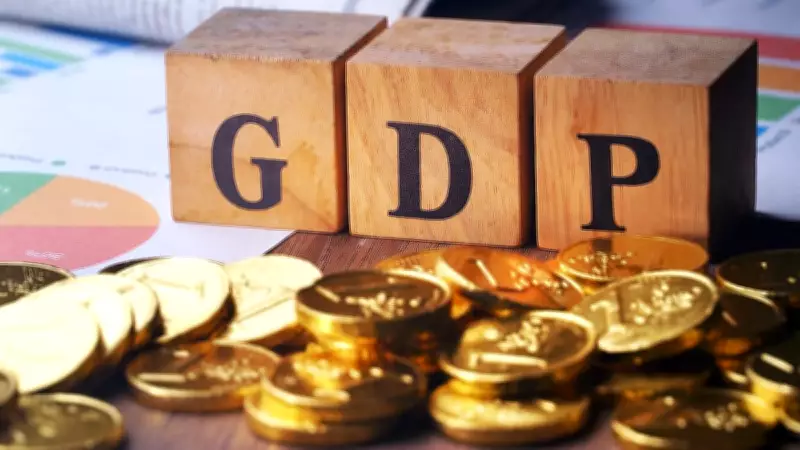
Fitch Ratings has revised India's economic growth projection for the fiscal year 2026-27 (FY27) downward to 6.4 percent, a significant reduction from the earlier estimate of 7.4 percent. The downgrade comes amid escalating geopolitical tensions between the United States and Iran, which are expected to weigh on the global economy and, consequently, on India's growth trajectory.
Key Factors Behind the Revision
The rating agency highlighted that the ongoing US-Iran conflict could disrupt global oil supplies, leading to higher crude prices and increased inflationary pressures. India, being a major importer of crude oil, is particularly vulnerable to such shocks. Higher oil prices would widen the current account deficit and weaken the rupee, further straining the economy.
Impact on Trade and Investment
Fitch noted that the conflict could also dampen global trade and investment flows, affecting India's export-oriented sectors. The uncertainty may delay corporate investment decisions and consumer spending, slowing down domestic demand. The agency expects a gradual recovery only after geopolitical risks subside.

Comparison with Previous Forecasts
In its previous assessment, Fitch had projected a robust 7.4 percent growth for FY27, driven by strong domestic consumption and government capital expenditure. However, the new projection aligns with other agencies that have also trimmed their forecasts due to global headwinds. The Reserve Bank of India had earlier projected GDP growth at 7.2 percent for FY27, but recent events may prompt a revision.
Government Response and Policy Measures
The Indian government has acknowledged the risks and is exploring measures to mitigate the impact, including strategic petroleum reserves and diversification of oil imports. The finance ministry reiterated its commitment to fiscal consolidation while supporting growth through infrastructure spending and reforms.
Fitch's revision underscores the fragility of the global economic recovery and the need for policy agility. The agency will continue to monitor developments and may adjust its forecasts as the situation evolves.