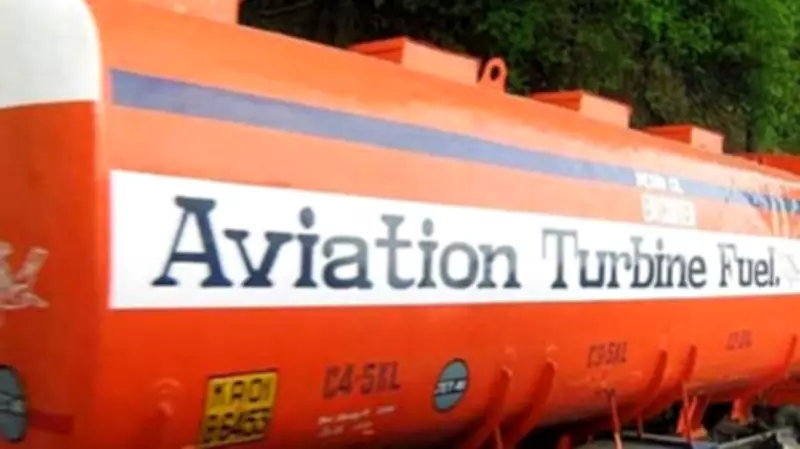
Aviation turbine fuel (ATF) prices have increased by approximately 10% as oil companies roll out a new fixed pricing mechanism. The revised rates will be locked in for up to three years for airlines that choose to participate in the government-backed price stabilisation scheme.
New Pricing Scheme Details
The price stabilisation scheme, supported by the government, aims to provide predictability in fuel costs for airlines. Under this initiative, participating carriers will pay a fixed rate for ATF over a three-year period, shielding them from short-term price volatility. The recent 10% hike reflects current market conditions and is part of the initial adjustment under the new system.
Impact on Airlines
Airlines opting into the scheme can better manage their operational expenses, as fuel costs constitute a significant portion of their expenditure. However, the immediate rise in prices may put pressure on profit margins in the short term. Industry analysts note that the fixed pricing could lead to more stable ticket pricing for consumers.

Government and Industry Reactions
The government has expressed confidence that the scheme will benefit the aviation sector by reducing uncertainty. Oil companies have stated that the pricing is based on global crude oil trends and domestic refining costs. The move is expected to encourage more airlines to join the programme, ensuring long-term fuel cost stability.
The announcement was made on 09 June 2026, with the new rates taking effect immediately. The scheme is part of broader efforts to support the aviation industry amid fluctuating global energy prices.