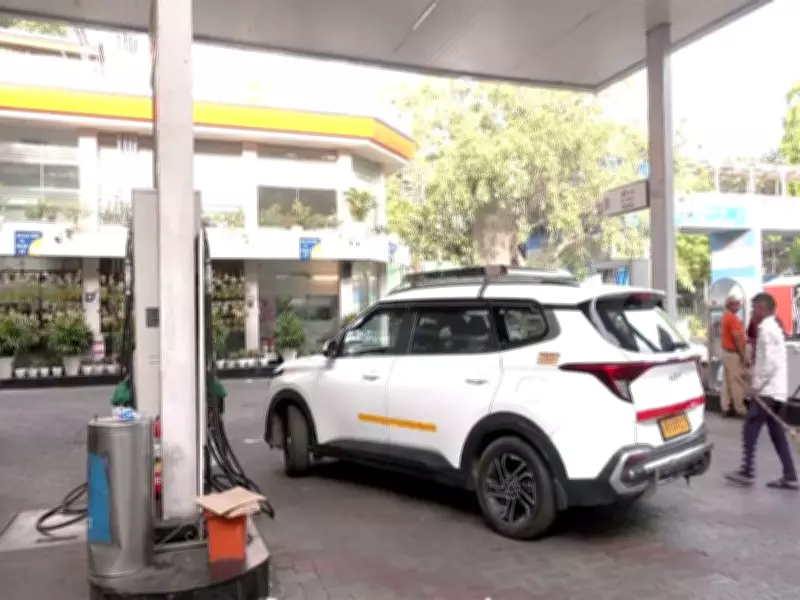
The Indian government has expanded the mandatory verification of fuel dispensers to include compressed natural gas (CNG), liquefied natural gas (LNG), and hydrogen dispensers, marking a significant step in its clean energy push. The decision, announced by the Ministry of Consumer Affairs, aims to ensure accuracy and transparency in the dispensing of alternative fuels, which are gaining traction as the country moves towards a greener energy mix.
Extension of Legal Metrology Rules
Under the amended Legal Metrology (General) Rules, 2011, all dispensers for CNG, LNG, and hydrogen will now require verification and stamping by authorized government agencies. Previously, the rules applied only to petrol and diesel dispensers. The move is expected to protect consumer interests by ensuring that they receive the exact quantity of fuel they pay for, thereby boosting confidence in these emerging fuel technologies.
Impact on Clean Energy Adoption
The inclusion of these fuels under the verification framework is part of the government's broader strategy to promote clean energy. With India targeting net-zero emissions by 2070 and increasing the share of natural gas in its energy basket to 15% by 2030, accurate dispensing becomes critical. CNG is already widely used in vehicles, while LNG is gaining ground in heavy transport and industry. Hydrogen, though in early stages, is seen as a key fuel for the future, especially in sectors like steel and long-haul transport.

The government has also mandated that all existing CNG and LNG dispensers must be verified within six months, while new dispensers must be verified before being put into use. For hydrogen, the timeline will be set once the technology matures and dispensers become more common.
Consumer Protection and Industry Response
Consumer affairs secretary Rohit Kumar Singh stated that the expansion is aimed at ensuring fair trade practices and protecting consumers from potential fraud. He emphasized that accurate measurement is essential for the widespread acceptance of alternative fuels.
Industry bodies have welcomed the move, noting that it will standardize operations and build trust among users. The Society of Indian Automobile Manufacturers (SIAM) said the verification will help in the seamless adoption of CNG and LNG vehicles, while hydrogen stakeholders see it as a preparatory step for future rollouts.
Challenges and Implementation
Implementing the new rules may pose challenges, particularly for hydrogen dispensers, as the technology is still evolving. The government plans to work with research institutions and industry to develop calibration standards. For CNG and LNG, existing testing facilities can be upgraded to handle the verification workload.
The move also aligns with global best practices, where many countries have already extended legal metrology to alternative fuels. India's step is expected to encourage other nations in the region to follow suit.
In conclusion, the government's decision to widen fuel dispenser verification to include CNG, LNG, and hydrogen is a proactive measure that supports the clean energy transition while safeguarding consumer interests. It underscores India's commitment to building a robust infrastructure for sustainable fuels.