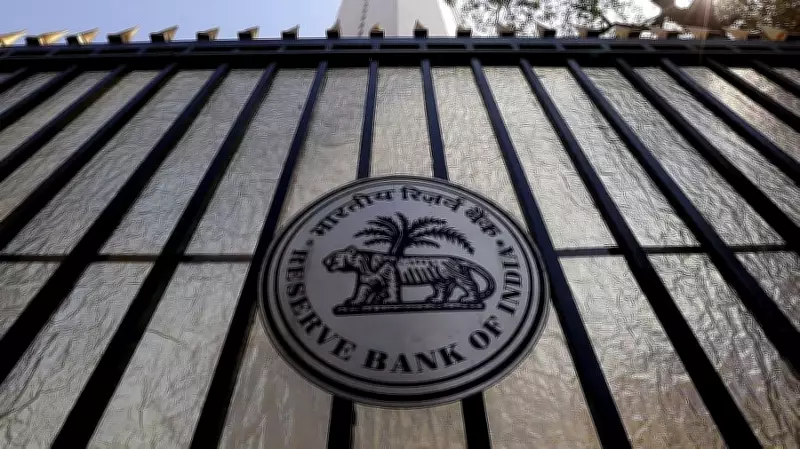
The flight of capital from the country has continued unabated, exerting relentless pressure on the Indian economy. The rupee has been falling steadily and is moving closer to the psychologically critical 100-per-dollar level, a threshold that has historically triggered significant policy responses and market anxiety.
Understanding the Capital Flight
Capital flight, often driven by investor uncertainty and global economic shifts, has been a persistent challenge. Foreign investors have been pulling out funds from Indian markets, seeking safer havens amid rising geopolitical tensions and domestic policy ambiguities. This exodus has compounded the rupee's woes, making imports costlier and widening the current account deficit.
Rupee's Steady Decline
The rupee's depreciation has been gradual but relentless. From levels around 83 per dollar earlier this year, it has slipped to near 99, inching closer to the 100 mark. This psychological barrier is crucial; breaching it could trigger further panic selling and necessitate intervention by the Reserve Bank of India (RBI). The RBI has been using its forex reserves to stem the fall, but reserves have dwindled, limiting its firepower.

Policy Implications
In this scenario, the editorial advocates for a pause—a strategic holding of fire to reassess the policy framework. Instead of knee-jerk reactions, policymakers need clarity on the root causes. Is the depreciation due to external factors like a strong dollar and global rate hikes, or internal issues such as fiscal deficit and inflation? A comprehensive review could lead to more effective measures.
- Interest Rate Adjustments: The RBI might consider raising rates to attract capital, but this could stifle growth. A balanced approach is needed.
- Structural Reforms: Long-term solutions involve improving ease of doing business, boosting exports, and reducing import dependence.
- Capital Controls: Temporary measures to curb outflows might be considered, but they could deter future investment.
Global Context
The Indian rupee is not alone in its decline. Many emerging market currencies have faced similar pressures due to a strengthening US dollar and aggressive Federal Reserve policies. However, India's relatively high inflation and fiscal deficit make it more vulnerable. The government must communicate a clear strategy to restore confidence.
The Path Forward
A pause for clarity does not mean inaction. It means taking stock and then acting decisively. The government and RBI must coordinate to present a unified front. Measures could include boosting foreign exchange reserves through swaps, encouraging remittances, and attracting stable foreign direct investment (FDI).
In conclusion, while the situation is challenging, a measured response can prevent a full-blown crisis. Holding fire now allows for a more targeted and effective policy intervention later. The key is to restore confidence in the Indian economy's fundamentals.