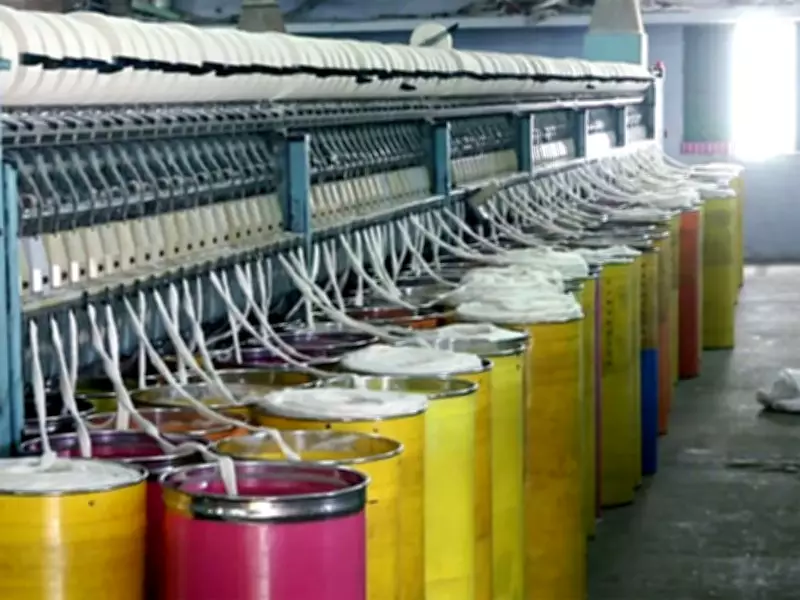
A recent report has highlighted that India's textile sector stands at a critical inflection point, with significant opportunities to reclaim its lost global market share. The industry, which has faced stiff competition from countries like Bangladesh and Vietnam, is now poised for a resurgence driven by policy support, sustainability initiatives, and technological advancements.
Key Drivers for Growth
The report identifies several key factors that could propel the Indian textile industry forward. These include the government's Production Linked Incentive (PLI) scheme, which aims to boost manufacturing and exports. Additionally, the growing global demand for sustainable and ethically produced textiles plays to India's strengths, given its traditional expertise in organic cotton and handloom products.
Policy Support and Infrastructure
The Indian government has introduced various measures to support the textile sector, such as the Mega Integrated Textile Regions and Apparel (MITRA) parks, which provide world-class infrastructure. These parks are expected to reduce logistics costs and improve supply chain efficiency. Furthermore, free trade agreements with key markets like the European Union and the United Kingdom are being negotiated to enhance market access.

Sustainability as a Competitive Advantage
Sustainability is emerging as a major competitive differentiator. Indian textile manufacturers are increasingly adopting eco-friendly practices, such as waterless dyeing, recycling, and using organic fibers. This aligns with the global shift towards conscious consumerism, where buyers prefer products with a lower environmental footprint.
Technological Adoption
Technology is playing a pivotal role in transforming the textile industry. Automation, artificial intelligence, and digital printing are improving productivity and enabling faster turnaround times. The report notes that companies investing in technology are better positioned to meet the demands of fast fashion and customized orders.
Challenges to Overcome
Despite the positive outlook, the sector faces several challenges. These include high raw material costs, inconsistent power supply, and the need for skilled labor. The report emphasizes the importance of addressing these issues to fully realize the growth potential.
Global Competition
India must also navigate intense competition from Bangladesh, Vietnam, and China. To compete effectively, the report suggests focusing on high-value segments like technical textiles, which have applications in automotive, healthcare, and construction.
In conclusion, the Indian textile sector has a promising future, provided it leverages policy support, embraces sustainability, and adopts modern technologies. With concerted efforts, it can reclaim its position as a global textile powerhouse.