In today's fast-moving digital world, children are growing up with access to global cultures, trends, and ideas. While this exposure is valuable, it is equally important for them to stay connected to their own roots. Indian culture is rich with traditions, values, stories, and customs that have been passed down through generations. When children understand their heritage, they develop a stronger sense of identity, pride, and belonging. Here are six simple and meaningful ways parents can help children connect with Indian heritage and keep traditions alive.
Celebrate Festivals with Meaning
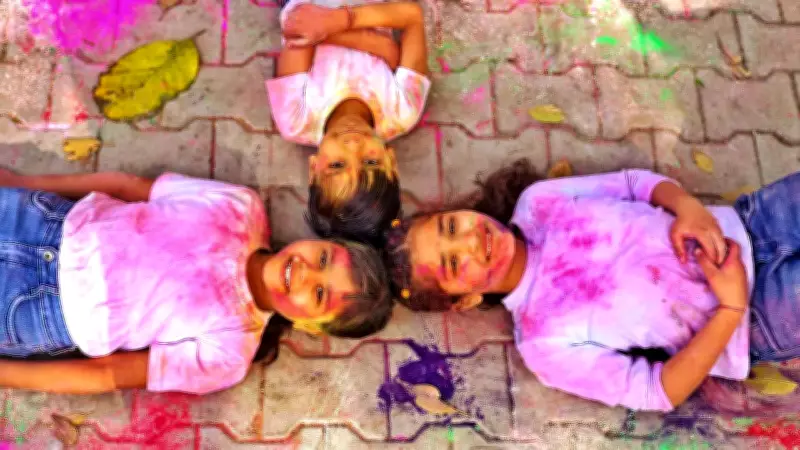
Festivals are a beautiful way to introduce Indian culture to children. Diwali, Holi, Eid, Pongal, Baisakhi, Navratri, or Onam—every festival comes with a special message and history behind it. Instead of focusing only on food, clothes, and decorations, learn the stories and values behind each celebration. Tell children why we celebrate these festivals and what we learn from them. This teaches them the deeper meaning behind traditions and creates lasting memories.
Share Stories from Indian History and Mythology
Children love stories, and India is a treasure trove of them. Stories from the Ramayana, Mahabharata, Panchatantra, and the lives of great leaders can teach important values such as honesty, courage, kindness, and respect. Storytelling can become a fun family activity. You can read books together, watch age-appropriate videos, or simply tell stories at bedtime. These stories help children learn valuable life lessons while staying connected to their cultural roots.

Encourage the Use of Native Languages
Language is a vital component of culture. Speaking a mother tongue at home helps children stay in touch with family traditions and heritage. Parents can encourage simple conversations in their home language, teach common words and phrases, or introduce children to songs, poems, and stories in that language. Even a little learning can help children feel more connected to their roots and communicate better with older family members.
Involve Children in Traditional Arts and Activities
India is a land of rich traditions in art, music, dance, and craft. By involving children in these activities, they can learn to appreciate the beauty of Indian culture. Whether it is classical dance, folk music, rangoli making, pottery, or traditional painting, these activities allow children to experience heritage in a fun and creative way. They also build confidence, patience, and a sense of pride in cultural traditions.
Spend Time with Grandparents and Elders
Grandparents are often the strongest connection to family history and traditions. Their stories, experiences, and wisdom can help children understand who they are. Encourage children to have frequent conversations with the elderly. Family events, meals, and cultural conversations can create meaningful intergenerational connections. These interactions strengthen family bonds and help preserve traditions that might otherwise be forgotten.
Visit Cultural and Historical Places
A trip to a historical monument, temple, museum, fort, or cultural center allows children to experience history firsthand. Learning by visiting these places is more fun and memorable. Explain to children why these sites are important and who the people associated with them are. These experiences help them understand India's rich heritage beyond books and ignite their curiosity about the country's past.
Building a Strong Cultural Foundation
Indian traditions can be kept alive without great effort. It is the little, consistent things that make a big difference. Participating in festivals, telling stories, speaking native languages, promoting traditional arts, spending time with elders, and visiting cultural landmarks are some ways parents can instill a strong sense of heritage in their children. Children who know and value where they come from grow up to be confident, respectful of diversity, and with a strong sense of identity. In a fast-changing world, being connected to one's heritage is not about looking back—it is about carrying timeless values forward and handing them on to future generations.