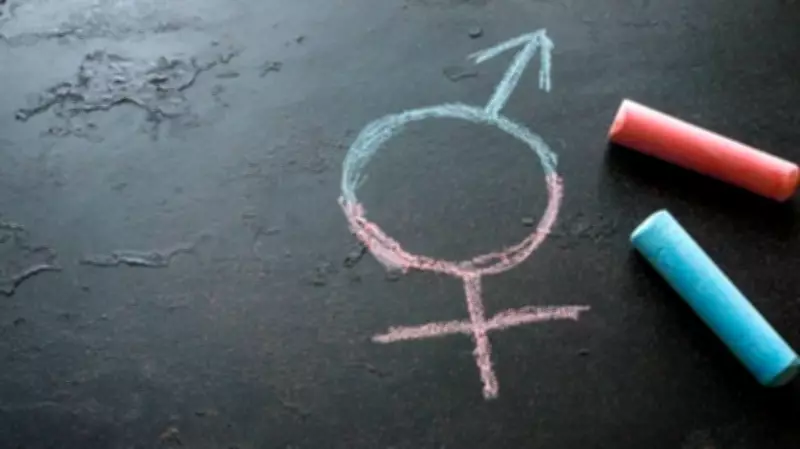
The struggle for trans women's rights has gained momentum globally, yet significant challenges remain. Advocacy for trans women is not just about legal recognition but also about social acceptance and access to healthcare, education, and employment. In many parts of the world, trans women face discrimination, violence, and systemic exclusion. This article explores the key issues and the efforts being made to create a more inclusive society.
Understanding the Challenges
Trans women often encounter barriers that cisgender individuals do not. These include legal hurdles in changing identification documents, lack of access to gender-affirming healthcare, and high rates of unemployment and homelessness. According to recent reports, trans women are disproportionately affected by hate crimes and are more likely to experience poverty. The intersection of transphobia with racism and classism further compounds these challenges, particularly for trans women of color.
Healthcare Disparities
Access to healthcare is a critical issue. Many trans women face discrimination in medical settings, leading to avoidance of necessary care. Hormone therapy and surgeries are often expensive and not covered by insurance. Additionally, there is a lack of trained healthcare providers who are knowledgeable about trans health needs. Advocacy groups are pushing for policy changes to ensure equitable access to healthcare services.

Legal and Social Recognition
Legal recognition of gender identity varies by region. Some countries allow self-identification, while others require surgery or court orders. Social recognition is equally important. Trans women often face stigma and prejudice in daily life, from using public restrooms to participating in sports. Advocacy efforts focus on education and awareness to combat stereotypes and promote understanding.
The Role of Advocacy
Advocacy for trans women involves multiple strategies. Grassroots organizations work to provide support services, such as housing and job training. Legal advocates challenge discriminatory laws and policies. Media campaigns aim to change public perceptions by sharing stories of trans women. Allies play a crucial role in amplifying these voices and pushing for change in their communities.
Success Stories and Ongoing Struggles
There have been notable victories, such as the decriminalization of homosexuality in some countries and the inclusion of gender identity in anti-discrimination laws. However, the fight is far from over. In many places, trans women are still fighting for basic rights. The recent rise in anti-trans legislation in some regions highlights the need for continued vigilance and activism.
Advocating for trans women is a matter of human rights. It requires a collective effort to dismantle systemic barriers and create a world where all individuals can live authentically and with dignity. By supporting trans women and their advocates, we take a step toward a more just and equitable society.