In today's comedy scene, the term 'cancelled' carries two vastly different meanings depending on the comedian's status. For some, controversy becomes a powerful branding tool. For others, it leads to venue shutdowns, bans, or even arrests. The determining factor often comes down to who was offended and how much influence the comedian already wields.
The Double-Edged Sword of Publicity
Film marketing teams have long understood that both good and bad publicity are still publicity. In the algorithm-driven era, this logic has become even more potent. Whether audiences praise or condemn a comedian is almost secondary to one key question: are people still talking about them?
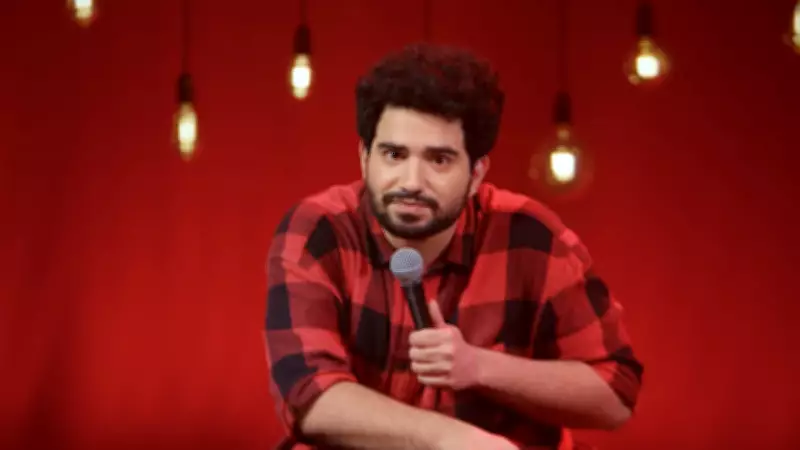
Consider the backlash surrounding comedian Samay Raina's show India's Got Latent. Each controversy—offensive jokes, political outrage, legal scrutiny, FIR chatter—only pushed the show deeper into public conversation. Similarly, comedian Vir Das faced intense backlash after his 'Two Indias' monologue in Washington DC, which triggered police complaints and political outrage. Yet, the controversy elevated his international profile further. Munawar Faruqui's arrest in 2021 was widely seen as an attack on artistic freedom, but his shows since then have consistently sold out. In these cases, backlash became an integral part of their brand. For creators and stand-up comedians with massive digital reach, controversy often amplifies popularity rather than diminishing it.

The Other Side: Silent Cancellations
At the other end of the spectrum, stand-up shows in cities like Bengaluru, Mumbai, Delhi, and Hyderabad disappear before audiences even know they exist. Lesser-known comedians often recount how venues withdraw support after pressure from political groups or police concerns over law and order. Open mics are monitored, and organizers ask comics to avoid topics like religion, caste, elections, or local politics altogether.
When these shows are cancelled, there are no trending hashtags demanding justice, no primetime debates, and no OTT platform waiting to sponsor a 'comeback.' Some comedians lose all their gigs overnight because venues fear vandalism. Others stop performing politically sensitive material altogether, lacking the financial backing to survive prolonged legal battles.
The Commodification of Cancellation
Yet, the conversation continues to be dominated by celebrity creators who claim they are under attack even as their reach, revenue, and influence grow. The 'cancelled' persona itself has become commercially valuable. It signals authenticity, deepens audience loyalty, and converts outrage into ticket sales and online engagement.
In the process, genuine satire—the kind that does not immediately turn into viral clips—risks taking a backseat. However, if every controversy eventually leads to sold-out shows, stronger branding, and greater visibility, it is worth asking: is being cancelled still about censorship and suppression, or has outrage now become the most effective marketing strategy in modern entertainment?