Understanding Puffer-Fishing in Modern Dating
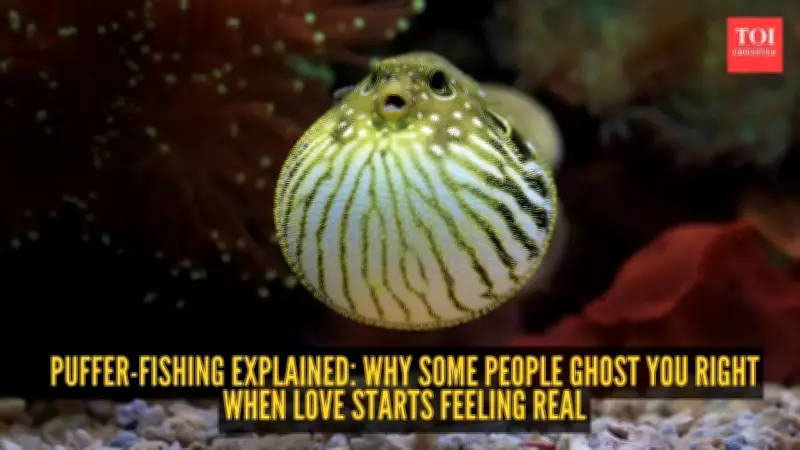
Many dating trends go viral because they give a name to behaviors that many people have experienced privately but struggled to express. One term that has recently exploded online is puffer-fishing, which describes a pattern where someone appears emotionally invested at first but then begins to withdraw as a relationship becomes emotionally serious or vulnerable. The term draws inspiration from the defensive behavior of a pufferfish, which inflates to create distance when it senses danger.
The Origin of the Term
The concept was popularized by Kati Morton, a licensed marriage and family therapist and author of 'Why Do I Keep Doing This?', as reported by Self.com. Morton learned the concept back in her 20s from her own therapist. After yet another short-lived relationship ended with Morton calling it quits, her therapist pointed out that this cycle was likely a result of Morton being afraid of vulnerability. "She said, 'You're a puffer fish. If somebody gets too close and you start to feel vulnerable, you stick your spines out instead of communicating,'" Morton shared.
What Puffer-Fishing Looks Like
Puffer-fishing can manifest differently depending on the individual, but it most often appears as avoidance. For Morton, puffer-fishing began in romantic relationships, but it can also occur in friendships or familial relationships. Morton says in her life, puffer-fishing manifests as ghosting or wanting to cut off communication as quickly as possible. However, it might also look like being combative with someone—for example, always picking a fight when things get serious or engaging in self-sabotage of the relationship.

This behavior can be confusing because the person may initially seem affectionate, emotionally available, and deeply interested before suddenly becoming distant, avoidant, or emotionally withdrawn. They may text consistently for weeks, share personal stories, and seem fully invested—then suddenly go silent, become cold, or create conflict when things start to feel real.
Why Some People Act Like a Pufferfish
Most people oscillate between the three main attachment styles: secure, avoidant, and anxious. However, they often demonstrate one more than the others, according to psychology. Avoidant attachment is closely related to puffer-fishing. This is a common pattern for avoidants, who tend to flee once a relationship progresses. This behavior is often rooted in a fear of commitment and abandonment. Avoidants do want love, but they are afraid to lose themselves or get hurt. It is a protective mechanism rather than a purposefully damaging behavior.
This pattern is not always easy to break, especially if you grew up feeling that your feelings were "too much." You may fear being vulnerable, being misunderstood or judged, or you may want to be seen as independent and secure. Either way, you can only run so far from yourself before you leave everyone else behind, too.
How to Overcome Puffer-Fishing Tendencies
The first step is recognizing that you are doing it. When you notice yourself wanting to pull away, ghost, or create conflict when things get serious, pause and ask yourself why. Instead of cutting off communication, try staying present. Share what you are feeling. Say, "I'm scared of getting too close," instead of disappearing. This might feel uncomfortable, but it is the only way to build real connection.
What to Do If You Are Dating a Pufferfish
If you are the one dating someone who puffer-fishes, recognize that their behavior is not about you. It is about their fear. You cannot force someone to be vulnerable. You can only set boundaries and decide what you are willing to accept.

Healthier Alternatives to Puffer-Fishing
Puffer-fishing might seem appealing in some contexts. It certainly protects you from heartbreak, but only at the cost of genuine connections. You cannot build a lasting relationship with someone you view as a threat. With puffer-fishing, you villainize anyone who gets too close. It takes true strength and confidence to own your vulnerabilities and allow someone to love you as you are. Real intimacy requires risk. It requires staying when you want to leave, speaking when you want to hide, and trusting that being seen does not mean being destroyed. Puffer-fishing protects you from pain, but it also protects you from love. And that is the real cost.