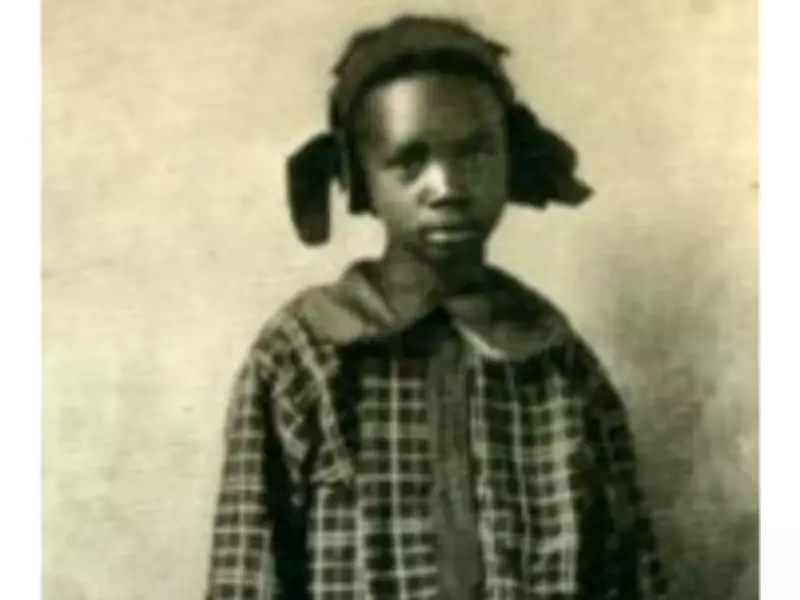
In the summer of 1913, 11-year-old Sarah Rector's life changed forever when oil was struck on her land allotment in the cotton fields near Taft, Oklahoma. Born into a family descended from formerly enslaved Creek Freedmen, Sarah grew up under the oppressive realities of Jim Crow America, where opportunities for black families were severely limited.
A Harsh Beginning
According to reports, Sarah and her family lived in difficult circumstances and struggled to pay taxes on their land. Historians note that much of the better land was reserved for white settlers and wealthier tribal members. Sarah was granted approximately 160 acres in Creek County, but the land was largely barren and unsuitable for farming, rendering it 'worthless.' To ease the property tax burden, her father, Joseph Rector, tried to sell it but faced restrictions. With no buyers, he leased the land to an oil company.
The Oil Strike That Transformed Her Life
Everything changed on August 29, 1913. According to the American Association of Petroleum Geologists and other historical sources, a new well on Sarah's property erupted as a gusher, yielding around 2,500 barrels of oil daily. The output soon grew dramatically as additional wells were drilled. With royalty payments, Sarah quickly accumulated wealth overnight, leading newspapers to claim she was richer than the President of the United States. Soon, headlines across America dubbed her 'the richest black girl in the world.'

Life for the Rectors was never the same. They upgraded from a small cabin to a larger house, traveled to school by horse carriage, and enjoyed amenities such as piano music and elegant clothes.
Fame Brought Danger and Exploitation
Newspapers sensationalized Sarah's life with racial remarks and stereotyping. She supposedly received marriage proposals and financial donations from around the world, even at a very young age. Records suggest fears among black families of exploitation by guardians. Public concern over Sarah's welfare was so great that leading black intellectuals like W.E.B. Du Bois and Booker T. Washington took an interest in her case. Investigations were conducted to determine the motives behind the system meant to protect her.
With Booker T. Washington's help, Sarah later attended the prestigious Tuskegee Institute in Alabama before his death.
A Fortune Shaped by Resilience
Despite constant public fascination, Sarah managed her money wisely and became a successful investor. Historical records show she owned several companies and lands in Oklahoma and Missouri. She later moved to Kansas City with her family and became known for entertaining African-American celebrities such as Count Basie and Duke Ellington. Although she lost most of her fortune during the Great Depression, scholars note that Sarah maintained her stability until her death.
Her life is one of the most fascinating stories about wealth and race in early 20th-century America. A piece of land deemed worthless became the epitome of prosperity and racial discrimination.