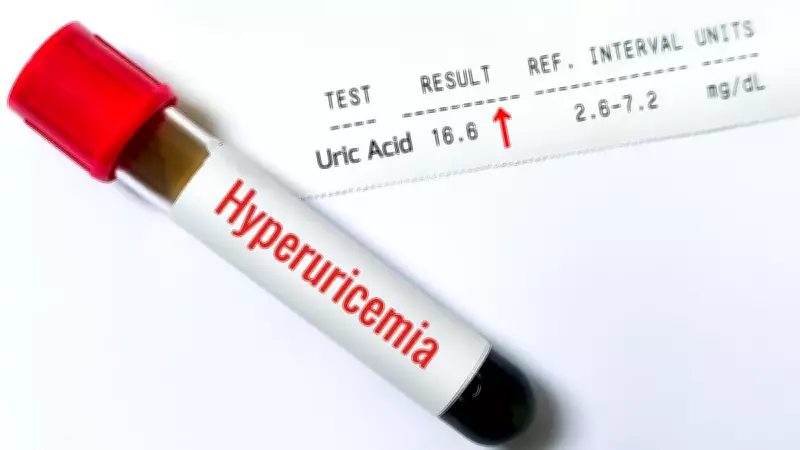
A recent study has uncovered a silent health crisis in India: one in four Indians now have elevated uric acid levels. This condition, often asymptomatic in its early stages, poses a growing threat to public health. High uric acid produces no warning signs initially, with no pain or discomfort, just a slow, invisible buildup. However, if left untreated, it can become difficult to manage in the long run, leading to serious complications such as gout, kidney stones, and hypertension.
Understanding Uric Acid
Uric acid is a natural waste product formed from the breakdown of purines, substances found in certain foods and drinks. Normally, the kidneys filter uric acid out of the blood and excrete it through urine. However, when the body produces too much uric acid or the kidneys cannot excrete enough, levels rise, leading to hyperuricemia.
Risk Factors
- Diet: High consumption of red meat, shellfish, organ meats, and sugary drinks can increase uric acid levels.
- Obesity: Excess weight can reduce the kidneys' ability to eliminate uric acid.
- Genetics: A family history of gout or kidney problems raises risk.
- Medical conditions: Hypertension, diabetes, and kidney disease are linked to high uric acid.
- Medications: Diuretics and certain drugs can elevate levels.
Prevention and Management
Health experts emphasize that lifestyle modifications can effectively manage and prevent high uric acid. Key recommendations include:

- Dietary changes: Reduce intake of purine-rich foods and sugary beverages. Increase consumption of low-fat dairy, fruits, vegetables, and whole grains.
- Hydration: Drinking plenty of water helps the kidneys flush out uric acid.
- Weight management: Achieving a healthy weight reduces strain on the kidneys.
- Limit alcohol: Especially beer and spirits, which can raise uric acid levels.
- Regular monitoring: Routine blood tests can detect elevated uric acid early.
While medication is available for severe cases, lifestyle changes remain the cornerstone of treatment. The study underscores the need for greater awareness and proactive health management to avert a looming epidemic of gout, kidney disease, and cardiovascular problems linked to hyperuricemia.