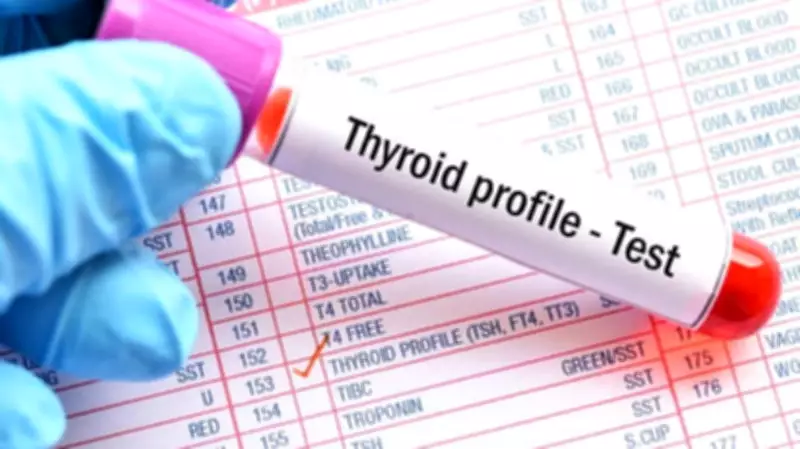
Doctors have issued a warning that thyroid disorders are increasingly emerging as a hidden factor behind infertility in both men and women. Medical experts highlight that thyroid dysfunction often goes undiagnosed, contributing to difficulties in conceiving.
Thyroid Antibodies and Pregnancy Complications
According to healthcare professionals, thyroid antibodies play a significant role in women who experience recurrent miscarriages or failed IVF attempts. These antibodies may indicate an underlying autoimmune thyroid disease, which can disrupt reproductive health and implantation processes. The presence of such antibodies can affect the thyroid gland's function, leading to hormonal imbalances that interfere with ovulation and pregnancy maintenance.
Impact on Fertility
Thyroid disorders, including hypothyroidism and hyperthyroidism, can alter menstrual cycles, reduce egg quality, and impair sperm health. In women, untreated thyroid conditions may cause irregular ovulation or anovulation, making conception challenging. In men, thyroid imbalances can lower sperm count and motility. Doctors emphasize the importance of thyroid screening for couples facing infertility issues, as early detection and treatment can significantly improve pregnancy outcomes.

Recommendations for Patients
Medical experts advise individuals planning pregnancy to undergo thyroid function tests, including TSH, T3, T4, and antibody levels. Proper management with medication and lifestyle changes can restore thyroid balance and enhance fertility. For those undergoing assisted reproductive technologies like IVF, optimizing thyroid health is crucial for success. Doctors also recommend monitoring thyroid levels during pregnancy to prevent complications such as miscarriage or preterm birth.
The growing recognition of thyroid disorders as a hidden infertility factor underscores the need for comprehensive reproductive health evaluations. By addressing thyroid issues proactively, many couples may achieve their dream of parenthood.