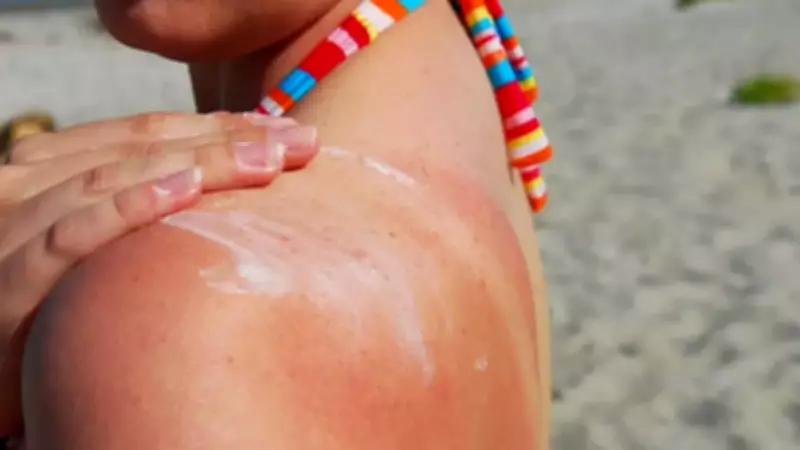
As summer temperatures soar, the United Kingdom faces a significant health concern: a surge in melanoma skin cancer cases. According to Cancer Research UK, melanoma diagnoses have reached an all-time high, with 20,980 cases recorded in 2022. Experts warn that this number could climb to approximately 26,500 by 2040 unless prevention and early detection efforts are intensified.
Why Are Melanoma Cases Rising?
The increase is attributed to a combination of factors, including greater exposure to ultraviolet (UV) radiation from the sun and tanning beds, as well as an aging population. Health professionals emphasize that nearly 90% of melanoma cases are preventable, yet many individuals underestimate the dangers.
Understanding Melanoma
Melanoma originates in melanocytes, the pigment-producing cells in the skin. Unlike other forms of skin cancer, it can spread rapidly if left untreated. However, early detection significantly improves treatment outcomes. Doctors stress the importance of recognizing warning signs promptly.

Who Is at Risk?
While melanoma can affect anyone, certain groups face higher risks. These include individuals with fair skin, light eyes, freckles, blonde or red hair, and those who have experienced severe sunburns. Other risk factors include having numerous moles, a family history of melanoma, or a weakened immune system.
According to the Mayo Clinic, sudden, intense sun exposure—such as during beach holidays or heatwaves—poses particular danger. Severe sunburns during childhood or adolescence can increase the risk of developing melanoma later in life. Additionally, tanning beds remain a significant concern, as they expose users to harmful UV radiation similar to natural sunlight.
Recognizing the Signs of Melanoma
The primary early indicator of melanoma is the appearance of a new mole or changes in an existing mole. Dermatologists recommend using the "ABCDE" rule for self-examination:
- Asymmetry: One half of the mole does not match the other.
- Border: Edges are irregular, blurred, or notched.
- Color: The mole contains multiple shades or unusual colors.
- Diameter: The mole is larger than 6 millimeters (about the size of a pencil eraser).
- Evolving: The mole changes in size, shape, color, texture, or sensation.
However, melanoma does not always present as a dark mole. It can appear pink, red, skin-colored, or resemble a scar. Other warning signs include sores that do not heal, itching, bleeding, scaling, or tenderness in the affected area.
Many people delay seeking medical advice, assuming such changes are insignificant. This delay can be dangerous, as melanoma becomes much harder to treat once it spreads to other parts of the body.
Michelle Mitchell, chief executive of Cancer Research UK, recently urged the public not to ignore unusual skin changes and to consult a general practitioner if something appears or feels abnormal.
Prevention and Early Detection
With cases on the rise, there is renewed debate about sunscreen habits. UV rays can penetrate clouds, meaning skin damage can occur even on overcast days. Health experts recommend using a broad-spectrum sunscreen with at least SPF 30, reapplying every two hours—especially after swimming or sweating. Additional protective measures include wearing hats, sunglasses, and seeking shade during peak midday hours.
Health charities advise performing monthly skin checks, including hard-to-see areas such as the back, scalp, feet, and behind the ears. Technological advancements, such as AI mole-mapping systems, are being used in clinics to track changes over time. However, these tools support—not replace—professional medical evaluation.
Conclusion
Despite the alarming statistics, melanoma is highly preventable. Simple habits like consistent sunscreen use, avoiding tanning beds, and monitoring skin changes can save lives. As the UK faces another hot summer, health experts advocate for enjoying the sunshine responsibly. Early detection of a small change today could prevent a serious health crisis tomorrow.