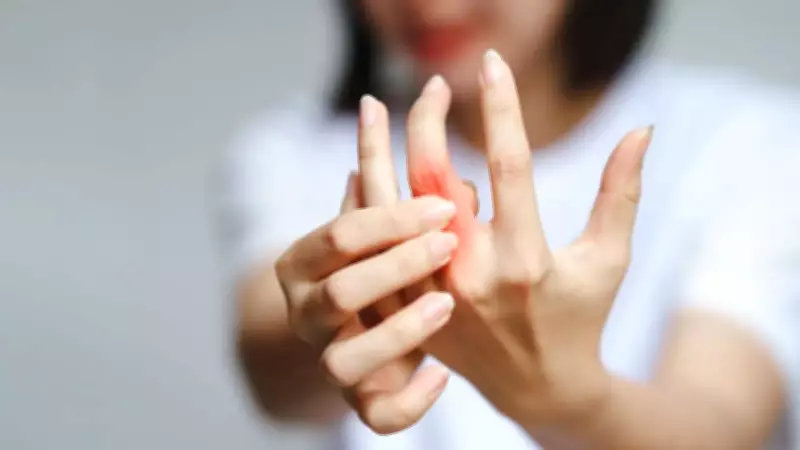
A stiff knee while climbing stairs. Aching fingers after chopping vegetables. A dull pain in the hips that slowly becomes part of everyday life. For many women, arthritis does not arrive suddenly. It creeps in quietly, often dismissed as 'normal ageing' or simple tiredness until the pain begins to interfere with daily living.
Arthritis: A Greater Burden on Women
Arthritis is one of the most common joint conditions in the world, and women carry a much heavier burden than men. In India alone, millions of women live with painful joints, swelling, reduced mobility, and stiffness that affects work, caregiving, sleep, and emotional health. According to government-backed data from the National Institute of Arthritis and Musculoskeletal and Skin Diseases (NIAMS), women are more likely than men to develop several forms of arthritis, including osteoarthritis and rheumatoid arthritis.
Doctors say the reasons are not limited to ageing alone. Hormones, bone structure, metabolism, immune responses, genetics, and even the invisible physical load women carry every day all play a role.

Understanding Arthritis: Not a Single Disease
Arthritis simply means inflammation or damage in the joints, where two bones meet. But it is not a single condition. It includes more than 100 different joint-related disorders. The most common form is osteoarthritis, where the protective cartilage cushioning the joints slowly wears away over time. The knees, hips, lower back, shoulders, and fingers are commonly affected. As cartilage becomes thinner, bones begin to rub against each other, causing pain, swelling, grinding sensations, and stiffness.
'Arthritis, in simple terms, means a disease which causes damage to your joint. The joints of the body are the points at which two bones meet,' explains Dr Vivek Kumar N Savsani, MBBS, MS – Orthopaedics, Orthopedic surgeon, Apollo Hospitals, Bangalore. He further notes that arthritis may develop due to age-related wear and tear, injury, infections, or autoimmune conditions in which the immune system mistakenly attacks healthy joint tissue.
Menopause, reduced oestrogen levels, obesity, repetitive physical work, and autoimmune diseases all contribute to the higher risk.
The Menopause Connection Doctors Cannot Ignore
One of the strongest reasons behind the increased risk in women is the sharp hormonal shift that occurs after menopause. Oestrogen, the hormone that naturally declines during menopause, does much more than regulate reproductive health. It also helps protect cartilage and supports collagen production, both of which are essential for healthy joints.
'Post menopausal women are at a very high risk for developing osteoarthritis,' says Dr Savsani. 'This mainly stems from the fact that the ovaries drastically reduce the production of oestrogen and progesterone.' He explains that oestrogen supports collagen synthesis, helps maintain the density of cartilage, and improves the quality of synovial fluid that lubricates joints. Once hormone levels drop, inflammation increases, cartilage wears down faster, and the underlying bone becomes weaker.
This may explain why many women begin noticing knee pain, stiffness in the fingers, or hip discomfort around their late forties and fifties, even if they had no earlier joint issues. Research funded by the US National Institutes of Health (NIH) has repeatedly linked menopause with worsening joint degeneration and increased osteoarthritis risk.
Anatomical and Lifestyle Factors
The structure of the female body also changes how pressure travels through the joints. Women generally have a wider pelvis, different knee alignment, lower muscle mass, and greater ligament flexibility than men. While these differences are natural, they can increase stress on the hips, knees, and lower back over decades of movement. Dr Savsani explains that these anatomical differences increase the likelihood of knee and hip osteoarthritis, ligament injuries, and shoulder problems.

Then comes the daily physical load many women experience. Repeated bending, squatting, climbing stairs, lifting children, household chores, and long hours of standing may look ordinary, but over years they can place continuous stress on joints. This is particularly relevant in India, where women often balance professional work with physically demanding household responsibilities. Many continue ignoring pain because caregiving comes before personal health.
There is another overlooked factor too: muscle strength. Women are less likely to engage in strength-training exercises compared to men, and reduced muscle support around joints can increase wear and tear over time. Experts say early lifestyle changes, regular exercise, healthy nutrition, and timely medical consultation can help protect joint health and improve quality of life.
Autoimmune Arthritis Affects Women Far More Often
Not all arthritis is caused by ageing. Some forms happen because the immune system attacks the body itself. Conditions like rheumatoid arthritis and lupus-related arthritis are autoimmune disorders, and women are affected far more often than men. In some cases, the risk is up to nine times higher. Scientists still do not fully understand why. However, experts believe sex hormones, immune system differences, and genetic factors may all contribute.
'Arthritic conditions due to autoimmune disease are seen due to the immune system of the body mistakenly attacking the body's joint tissues and synovial lining of the joints,' says Dr Savsani. These conditions can trigger repeated episodes of pain, swelling, morning stiffness, fatigue, and long-term joint damage. Family history matters too. Women with parents or siblings affected by arthritis are more likely to develop similar conditions later in life.
Warning Signs Women Should Not Ignore
Arthritis rarely begins with dramatic symptoms. The earliest signs are often subtle and easy to overlook. Persistent morning stiffness, pain while climbing stairs, swelling in fingers, cracking sounds in the knees, difficulty sitting cross-legged, or reduced grip strength may all be early signals. Many women delay seeking help because they assume joint pain is a natural part of ageing. But experts say early action matters.
Dr Savsani stresses that while factors like age, genetics, and female sex cannot be changed, lifestyle habits can still reduce risk significantly. A healthy diet rich in protein, calcium, and vitamins supports bones and cartilage. Regular sunlight exposure helps maintain Vitamin D levels. Exercise, especially walking, swimming, yoga, cycling, and strength training, improves joint support and flexibility. Maintaining a healthy weight is equally important because excess body weight increases pressure on the knees, hips, and ankles. Smoking, excessive alcohol intake, unmanaged diabetes, and long-term inactivity can further worsen joint health.
Most importantly, doctors say women should stop normalising chronic pain. Joint pain that repeatedly returns deserves attention, not silence.
Expert Insights
This article includes expert inputs shared with TOI Health by Dr Vivek Kumar N Savsani, MBBS, MS – Orthopaedics, Orthopedic surgeon, Apollo Hospitals, Bangalore. Inputs were used to explain why women are more vulnerable to arthritis, the factors that increase their risk, and the lifestyle and hormonal changes that may silently affect joint health over time.