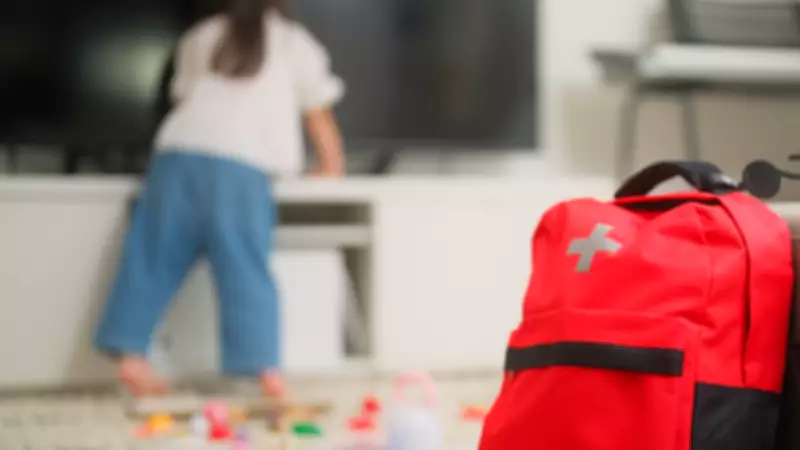
A pediatrician's recent social media post has sparked a wider discussion about child safety at home. While parents typically focus on obvious dangers like staircases, sharp corners, or open plug points, Dr. Nimisha Arora, a pediatrician and mother, shared six household items that genuinely worry her. These items look harmless but can lead to serious emergencies for children.
Button Batteries
Button batteries are found in everyday items such as TV remotes, weighing scales, and children's toys. Their small, shiny appearance attracts children easily. Dr. Arora explains that if a child swallows a button battery, it can quickly damage the food pipe, making it a serious emergency requiring immediate medical attention.
Magnetic Balls
Magnetic balls look shiny and can be unknowingly swallowed by children. According to Dr. Arora, if a child ingests more than one magnetic ball, the magnets can attract each other inside the body. This can cause them to stick together, potentially damaging the intestine and requiring surgical intervention.

Water Beads (Orbeez)
Sharing a personal experience, Dr. Arora recalled when her own daughter put water beads in her nose at age two, necessitating a visit to an ENT specialist. These colorful beads look fun to children, but if swallowed, they can swell after absorbing water, leading to blockages and complications in the digestive tract.
Charging Wires and Cables
Charging cables are often left around the house without much thought. Dr. Arora highlights two risks: loose wires can become a strangulation hazard, and if a child puts the end of a plugged-in charger in their mouth, it can cause an electric shock. Parents should secure cables and unplug chargers when not in use.
Buckets and Bathtubs with Water
Drowning-related incidents can happen quickly, even in small amounts of water. Dr. Arora warns that children should never be left unattended near any water source, including buckets and bathtubs. Constant supervision is crucial whenever children are around water to prevent accidental drowning.
Hand Sanitizers
Hand sanitizers are common in households but need to be kept away from children. Dr. Arora points out that many sanitizers contain around 70% alcohol. If accidentally swallowed, it can cause serious complications such as alcohol poisoning. Parents should store sanitizers out of reach and use child-safe alternatives when possible.
The message is not to scare parents but to raise awareness. Small changes in the home environment can help prevent serious accidents and keep children safer. By recognizing these hidden dangers, parents can take proactive steps to childproof their homes.