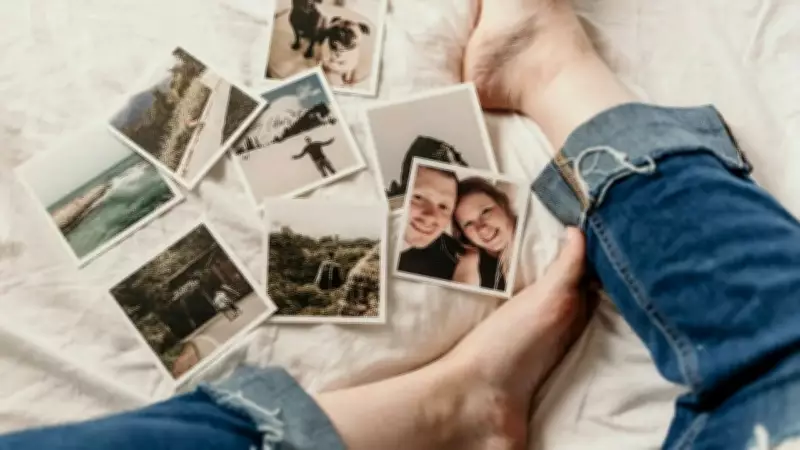
In a world dominated by selfies, screenshots, and endless scrolling, stumbling upon a chest of drawers filled with printed photos and old albums that carry the scent of time can be a delightful surprise. It is heartening to discover that many people still cherish printed photographs, tucking them away in drawers, wallets, or family albums. However, this practice is not merely a sentimental habit; it is rooted in psychology.
The Psychology Behind Printed Photos
Researchers studying autobiographical memory—how we store and recall life stories—have found that tangible objects enhance memory retention. Printed photos act as anchors, helping to revive the emotions of a moment. Opening a drawer can instantly transport you back to a childhood sports day or a laughter-filled reunion with college friends.
Memories require triggers: a smell, a sound, or an image. Scientific studies consistently show that visual cues help the brain retrieve details more effectively than words or sounds. Holding a physical photo from the past evokes not just the image but also the dull shine, bent edges, or handwritten date on the back. Sometimes, even a faint smell can trigger a powerful wave of nostalgia that no phone screen can replicate.

Memory and Identity
Psychologists describe memory as the core of identity. Old photos, especially those chosen for printing, become proof of one's life story. Unlike the random clutter in a phone gallery, printed photos are selective, capturing only the moments that truly matter. Research indicates that viewing photos triggers memories more intensely than almost any other prompt. Seeing yourself as a child in a fuzzy family picture doesn't just prompt recall—it evokes the associated feelings.
The Unique Value of Physical Photos
Physical photos are special because they require deliberate selection. While a phone's gallery is filled with duplicates and memes, a drawer or frame has limited space, making each printed photo extra meaningful. There is also comfort in the tangibility of printed pictures. Digital images are transient, vulnerable to hard-drive crashes, account hacks, or forgotten passwords. A real photo may fade but remains physically present, often stumbled upon by accident, instantly reviving memories—like a summer from the 1990s.
Scientists call these sudden memory jolts involuntary autobiographical recall. Marcel Proust wrote about it, psychologists study it, and people experience it through music, old letters, and especially photographs, which can unlock forgotten worlds. Even modern lifelogging gadgets, such as wearable cameras, tap into this concept. People who review their day using such images recall more details and richer experiences.
Printed vs. Digital: A Balanced View
Psychologists note that printed photos are not inherently superior. Digital photography enables extensive documentation and instant sharing with dozens of people. However, printed pictures encourage a slower, more deliberate approach. They force you to ask: Is this snapshot worth paper and ink? This deliberation adds meaning.
Keeping printed photos is not about resisting technology; it is about preserving the memories that truly count. Next time you find an envelope of old photos in a family drawer, take a closer look. Your brain might just map you back to remembering far more than you thought.
This article is adapted from the TOI Lifestyle Desk, a team dedicated to curating lifestyle news for The Times of India readers.