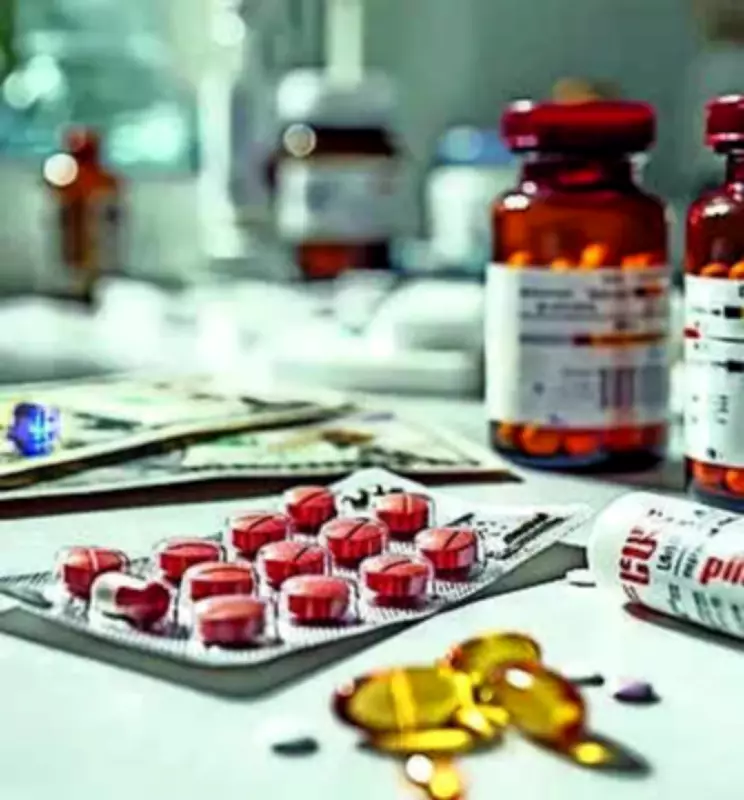
A total of 35 drug samples from Janaushadhi Kendras, also known as Pradhan Mantri Bhartiya Janaushadhi Pariyojana (PMBJP) stores, in Karnataka have been found to be not of standard quality (NSQ) during a special drive conducted by the Food Safety and Drug Administration (FDA) four months ago. Janaushadhi Kendras are government-supported pharmacies that sell generic medicines at lower prices compared to branded alternatives.
FDA Special Drive and Findings
The FDA conducts quarterly special drives against pharmacies. Health Minister Dinesh Gundu Rao stated on Thursday that Karnataka has 1,321 Janaushadhi Kendras. During the latest drive, 230 centres were inspected, and 35 drug samples collected were deemed NSQ. In two cases, the centres are being prosecuted.
Sale of Branded Medicines
Despite the mandate to sell only generic medicines, Rao noted that some centres have been selling branded medicines. Action is being taken against such centres. Moving forward, the state will include a specific clause in new licenses for Janaushadhi Kendras requiring them to sell only generic medicines.

Broader Crackdown on Pharmacies
The minister highlighted that the FDA has intensified quality control measures over the past year. Out of 16,337 samples collected across the state, 473 were NSQ. This led to the cancellation of licenses for 125 pharmacies, suspension of over 2,200 pharmacies, and prosecution of 311 pharmacies. Additionally, 457 pharmacies were suspended and 17 cases were booked against over 1,300 pharmacies for misuse of Narcotic Drugs and Psychotropic Substances (NDPS).
Digital Surveillance Portal Launched
A new digital surveillance system was launched on Wednesday to identify substandard drugs and prevent misuse of NDPS medicines. The online portal enables authorities to accurately detect NSQ drugs and monitor their circulation in real time. Rao mentioned that he had written to Union ministers a year ago seeking regulations, leading the state to implement its own monitoring mechanism. The e-signing system introduced last year helped recall drugs worth Rs 1.8 crore by providing immediate market information.
Under the new system, details of substandard drugs are uploaded to the portal and instantly shared with registered wholesale traders to halt further sales. So far, around 15,000 wholesalers have registered. All sales of NDPS medicines must now be recorded online, allowing officials to detect repeated use of the same prescription and track potential misuse.