Health authorities in Kerala are on high alert after the state recorded its first death from a Shigella infection, involving a four-year-old girl in Kozhikode. The tragic incident has triggered widespread public health warnings, increased testing in schools, and intensified surveillance across multiple districts. As new positive cases emerge, particularly among young children, there is growing concern about the speed of transmission and the key symptoms to watch for.
Kerala’s First Shigella Fatality: What We Know So Far
The deceased child, Nila from Thalakkulathur in Kozhikode, was admitted to the Medical College Hospital along with two other children, all confirmed to have Shigella infection. While the other two recovered, Nila succumbed to the illness, marking Kerala’s first known fatality from the disease. In response, the state has ramped up efforts to detect and prevent further cases. Officials have reported at least 126 Shigella cases statewide in recent weeks, but they emphasize that the situation is under close monitoring.
Where Is Health Surveillance Strongest?
Kozhikode remains the focal point due to the fatal case, but health teams are tracking potential infections across all districts. In nearby Wayanad, a couple of students from a school tested positive recently, prompting testing and contact tracing. A major review meeting was convened to prevent escalation. In Sulthan Bathery, also in Wayanad, over 160 children experienced gastrointestinal issues, though preliminary assessments suggest it is not Shigella. Authorities are testing water and conducting checks in schools. Surveillance is also active in Alappuzha and Pathanamthitta, where about 120 cases have been identified.

What Exactly Is Shigella?
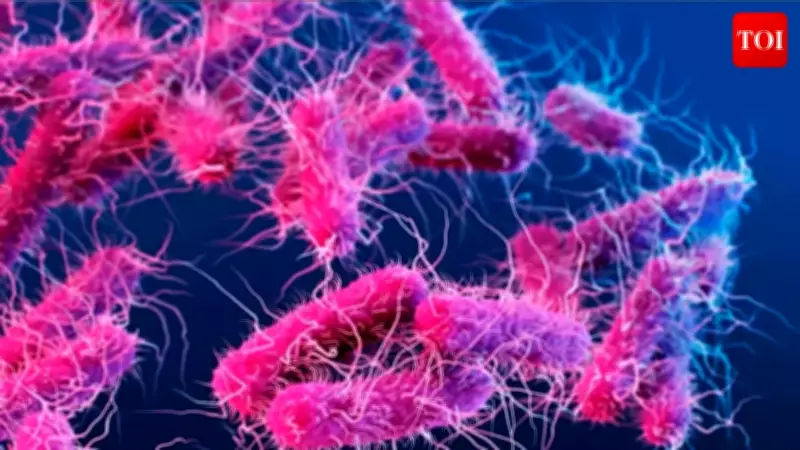
Shigella is a bacterium that infects the intestines, causing a condition known as shigellosis. It is notorious for rapid spread, and even a small number of bacteria can trigger an outbreak. The primary mode of transmission is the fecal-oral route, meaning that contamination of food, water, hands, or surfaces with even trace amounts of infected stool can lead to new infections. This makes schools, daycare centers, crowded households, and areas with poor sanitation particularly vulnerable to outbreaks.
Earliest Signs and Symptoms
Symptoms typically appear one to three days after exposure. Early warning signs include diarrhea, stomach cramps, fever, abdominal pain, nausea, and vomiting. In some cases, diarrhea may be severe, slimy, or bloody. Children are especially susceptible to complications, as dehydration can set in quickly, leading to sunken eyes, dry mouth, unusual tiredness, and reduced urination.
Who Is at Highest Risk?
While anyone can contract Shigella, children under five years old are most vulnerable due to their developing immune systems and higher risk of dehydration. Elderly individuals, people with weakened immune systems, cancer patients, and those living in crowded or unsanitary conditions are also at increased risk. Outbreaks in schools and daycares are common because young children may not practice thorough hand hygiene.
Why Is Shigella So Dangerous?
Most people recover within a week, but the infection can become severe, especially if untreated. Complications include dehydration, electrolyte imbalances, intestinal inflammation, and, rarely, death. The risk is significantly higher for infants, older adults, malnourished individuals, and those with compromised immunity. Health officials urge families to seek medical attention promptly if symptoms are severe or persistent.
How Is Shigella Treated?
Treatment primarily focuses on preventing dehydration. Oral rehydration solutions, increased fluid intake, rest, and monitoring for warning signs are essential. In severe cases, doctors may prescribe antibiotics based on laboratory results. Patients should avoid anti-diarrheal medications or self-medication without consulting a healthcare professional.

Shigella Prevention: Why Is It the Need of the Hour?
Although the death of a child has caused alarm, Shigella is largely preventable. Handwashing with soap, consuming treated water, proper cooking and food storage, and maintaining clean bathrooms are effective measures. Kerala’s health department has intensified inspections of eateries and public kitchens, enforcing hygiene standards and promising strict penalties for violations. While a single child’s death has highlighted what many dismiss as a simple stomach bug, with multiple districts on high alert and schools under watch, health teams emphasize that combating Shigella requires awareness, good hygiene, early diagnosis, and prompt treatment. These steps can determine whether the outbreak remains isolated or escalates into a larger crisis.