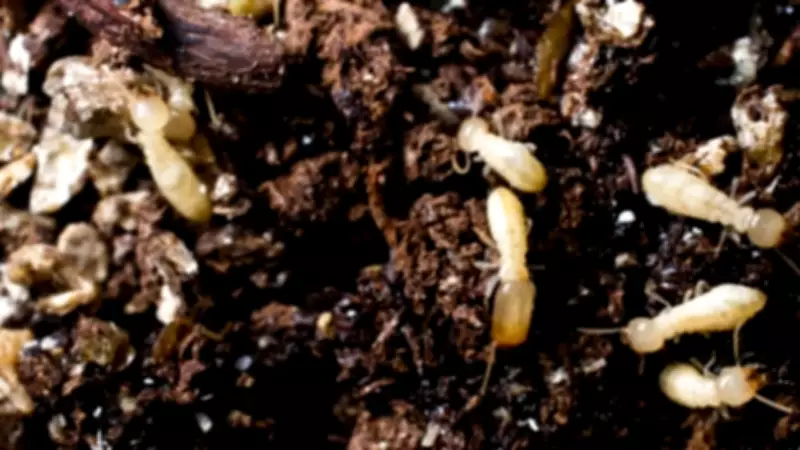
Most gardeners expect to battle weeds, caterpillars or fungal diseases at some point. The issue of termites usually comes as an unexpected event. You might lift a log or flower pot and notice pale ants, which you realize are termites, working on the ground beneath. It is normal to get frightened at such times because one starts wondering whether these creatures are destroying one’s gardens or are about to invade one’s house.
However, things are not that simple. There are termites that are friendly to humans. For example, termites are known as excellent recyclers because they break down dead trees, release nutrients into the soil, and thus maintain ecological balance. The challenge arises when the population increases or when the termites start eating on the living trees, structures, fences, and other wooden parts in one’s garden.
First, don’t assume every termite is a disaster
Another common myth is that simply finding termites means extensive damage will occur. The vast majority of termite species only eat dead or decaying wood. According to experts in agriculture and forestry, termites contribute greatly to the cycling of nutrients in nature. In fact, Iowa State University’s extension service mentions that termites are a vital part of nature because they help decompose fallen trees and stumps. However, this doesn’t mean finding termites in such items is problematic. What could cause alarm is the appearance of mud tunnels on tree trunks and hollow branches, as well as the weakening of trees themselves and spreading to fences.

However, interestingly enough, studies conducted in Environmental Science and Pollution Research revealed considerable termite destruction in urban trees, thereby underscoring the impact that these pests can have not only on dead wood but also on live trees.
What to remove from your garden to discourage termites
Termite feeding is highly opportunistic; when the buffet comes, the feasting continues. Wooden stumps, rotting roots, downed branches, decaying wood, old wooden boards, and stacks of wet leaves are just some of the attractions for termites. In many gardens, homeowners provide ideal breeding grounds without even realizing it.
Cleanup does not imply making your garden devoid of any life form. It just means getting rid of things that are unnecessary, such as decayed wood located around areas where there are valuable structures and plants. That dead stump in the corner of the garden can be disposed of now. Fewer termites are quite common in a clean garden since these insects cannot easily find their source of food in such places.
Moisture: The forgotten factor
Termites require a lot of moisture just as much as wood. Gardens with inadequate drainage or leaking irrigation systems create moist soil, which provides perfect ground for termite colonies to live comfortably. Next time it rains heavily in the garden, go for a walk around and notice where the water remains stagnant for days. Enhanced drainage is another surprising fix that can actually yield tremendous results. This can simply be as easy as changing your watering schedule, fixing any leaks that might have occurred, and draining excess water to avoid pooling around your home.
Don’t forget about the trees
Most of the time, we spend money ensuring that our house is safe from termites and fail to take care of other structures in our yard, such as trees. In an extensive study conducted in Brazil for nine years, it was discovered that many of the trees tested were heavily damaged by termites.
Termites can easily damage a tree from the inside out. At times, the tree looks fine on the outside but internally, the termites have done irreparable damage to its structure.
Watch the levels of mulch you apply
Mulch helps hold water and enhances soil quality, yet too much mulch could attract termites and make perfect environments for them. The challenge is not in mulching. It lies in ensuring that the mulch you apply is left for long periods wet or applied next to the stem of the plants. Leaving space between the mulch and the plant stems ensures that water does not accumulate in that area. Professional horticulturists still manage to apply mulch without facing termite challenges because they have figured out how to do so safely.

Predators can assist in your efforts
As much as a garden constitutes an ecosystem, biodiversity within that ecosystem ensures self-regulation. Birds, some types of ants, beetles, and nematodes feed on termites. Even though natural predators do not eliminate the threat posed by termites in gardens, they assist in keeping their numbers minimal. Gardens that encourage biodiversity seldom face severe pest outbreaks.
About the Author
TOI Lifestyle Desk
The TOI Lifestyle Desk is a dynamic team of dedicated journalists who, with unwavering passion and commitment, sift through the pulse of the nation to curate a vibrant tapestry of lifestyle news for The Times of India readers. At the TOI Lifestyle Desk, we go beyond the obvious, delving into the extraordinary. Consider us your lifestyle companion, providing a daily dose of inspiration and information. Whether you're seeking the latest fashion trends, travel escapades, culinary delights, or wellness tips, the TOI Lifestyle Desk is your one-stop destination for an enriching lifestyle experience.