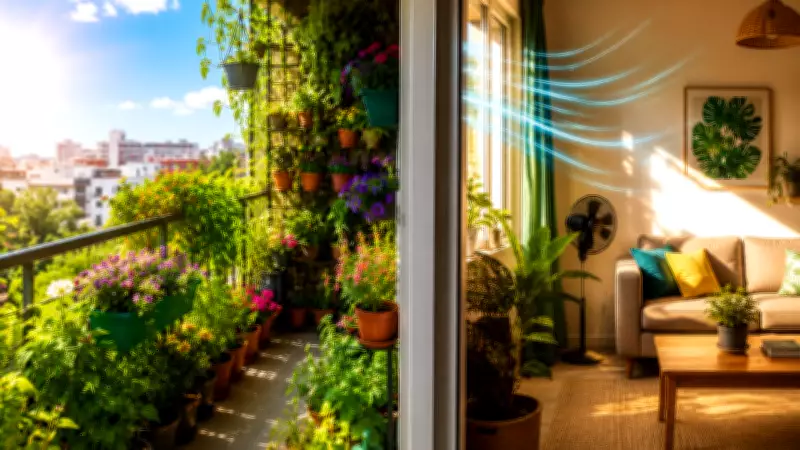
In the age of Instagram-worthy home decor and carefully curated balcony gardens, colour has long been the star of the show. Bright petunias, cheerful marigolds, dramatic bougainvillea, and exotic flowering plants have dominated urban balconies, creating visual escapes from the concrete landscape outside. But a quieter trend is beginning to emerge among city dwellers. One that appeals to the senses. Gardening enthusiasts are creating fragrance gardens, i.e., spaces designed around scent rather than just greens.
The appeal is easy to understand. Fragrance has a unique ability to transform an experience. A balcony filled with the scent of jasmine on a summer evening or the refreshing aroma of basil and mint on a rainy morning can instantly alter one's mood. It creates an atmosphere rather than merely a visual display. As people spend more time at home and seek deeper connections with nature, a fragrance garden is almost like an antidote to the overstimulation of our modern urban life.
Scent and nostalgia
Scientists have long understood the powerful connection between smell and memory. Unlike our other senses, scent is processed in parts of the brain closely linked to emotion and recollection. A familiar fragrance can transport us back decades, evoking childhood summers, family gatherings, festive celebrations, or visits to grandparents' homes.

This is perhaps why fragrant plants resonate so deeply with many Indians. The scent of mogra woven into hair, jasmine flowers offered during prayers, or the intoxicating perfume of raat ki rani drifting through the night air are cultural memories embedded in our everyday life.
Many fragrant flowers release their strongest perfume during specific hours. Jasmine and raat ki rani become particularly aromatic in the evening, making them ideal companions for balconies used after work or during dinner hours.
In densely populated cities where noise, traffic, and screens dominate daily existence, fragrant plants offer a sensory experience that encourages stillness. Fragrant flowers also reveal themselves gradually. It invites people to pause, linger, and engage more deeply with their surroundings.
Sensory sanctuaries
Interestingly, the fragrance garden trend is also bringing traditional Indian plants back into fashion. Jasmine remains one of the most popular choices for balconies. Whether it is the classic jasmine vine climbing a railing or compact varieties suited to containers, its delicate fragrance becomes particularly pronounced during evenings. Mogra, a close cousin, continues to enjoy enduring popularity because of its intensely sweet aroma and relatively easy maintenance.
Raat ki rani, often called the queen of the night, is experiencing something of a revival among apartment dwellers. While its flowers may appear modest during the day, they release a powerful fragrance after sunset that can perfume an entire balcony and even neighbouring spaces. These plants are not valued because they photograph well for social media. They are cherished because they create an atmosphere, transforming ordinary balconies into sensory sanctuaries.
Herbs that smell good
This garden is not limited to flowering plants though. Aromatic herbs are becoming essential components of these scented spaces, adding both fragrance and functionality. Basil, particularly holy basil or tulsi, offers a fresh, peppery scent that many people associate with wellness and spirituality. Beyond its fragrance, it is easy to grow and thrives in Indian climates. Mint contributes a cooling freshness that feels especially welcome during warmer months. Simply brushing against its leaves releases a burst of invigorating aroma.
Lemongrass has emerged as a favourite among urban gardeners seeking a more contemporary fragrance profile. Its clean citrus scent evokes luxury spas and wellness retreats while requiring relatively little maintenance. It also doubles as a useful culinary ingredient, making it particularly attractive for those interested in edible gardening.

How to design a balcony around fragrance
Creating a fragrance garden requires a slightly different mindset from traditional balcony gardening. Instead of focusing solely on visual arrangement, gardeners must consider how scents interact throughout the day. Many fragrant flowers release their strongest perfume during specific hours. Jasmine and raat ki rani become particularly aromatic in the evening, making them ideal companions for balconies used after work or during dinner hours.
Fragrance has a unique ability to transform an experience. A balcony filled with the scent of jasmine on a summer evening or the refreshing aroma of basil and mint on a rainy morning can instantly alter one's mood. It creates an atmosphere rather than merely a visual display.
Herbs such as mint and basil release their fragrance whenever touched, encouraging interactive engagement with the space. Layering different scents can create depth and variety. Citrus notes from lemongrass may complement the sweetness of jasmine, while mint provides freshness that prevents the overall experience from becoming overwhelming. The goal is not necessarily to create the strongest possible fragrance but rather a balanced sensory environment that evolves throughout the day.
Container placement also matters. Positioning fragrant plants near seating areas, windows, or entrances ensures their aromas can be enjoyed regularly rather than remaining confined to a distant corner. Increasingly, living spaces are being designed for emotional wellbeing. A fragrant balcony encourages slower rituals, invites morning tea among aromatic herbs, evening conversations beneath blooming jasmine, or quiet moments of reflection accompanied by the scent of night-flowering plants. In a world increasingly dominated by digital experiences, fragrance offers something refreshingly physical and immediate. It represents a desire to create homes that engage all the senses.