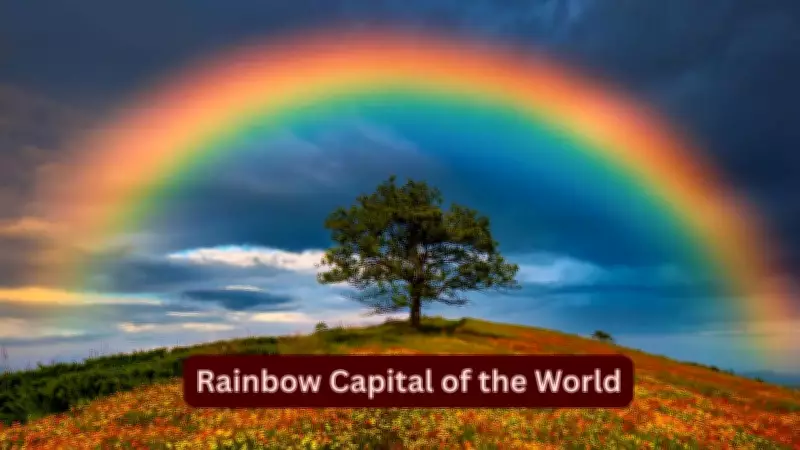
Hawaii is often considered a dream destination for sun, sand, and sea lovers. This beautiful American state is renowned for its untouched beaches, active volcanoes, and an extraordinary number of rainbows. The unique geography and weather conditions make Hawaii a prime location for these colorful arcs. Did you know that Hawaii is also called the 'Rainbow Capital of the World'? It is among the best places on Earth for spotting magnificent rainbows. Let us explore more about this stunning destination.
Spotting Rainbows in Hawaii
For those who love chasing rainbows, the best time to visit Hawaii is during the monsoon season. The probability of seeing multiple rainbows increases significantly during this period. The islands experience frequent rain showers that create the perfect ambiance for rainbows, reflecting the natural beauty of Hawaii.
Why So Many Rainbows?
The science behind Hawaii's reputation as a place where rainbows are part of daily life lies in its geography. The mountainous terrain causes air to rise, leading to moisture condensing into rain clouds. This atmospheric process, combined with sunshine breaking through the clouds, creates ideal conditions for rainbows. With nearly 300 days of sunshine each year, Hawaii's sky often serves as a canvas for these vibrant arcs of color.

A Nature Lover’s Canvas
Beyond the blue sky, rainbow images can be spotted on buildings, buses, and even license plates in Hawaii. The University of Hawaii sports teams are named the 'Rainbow Warriors' and 'Rainbow Wahine.' The state's reputation as the 'Rainbow Capital of the World' goes beyond weather conditions; it is a reminder of the natural beauty, cultural significance, and sense of hope that rainbows bring to the islands.
What Travelers Need to Know
Travelers planning a trip to Hawaii should consider a few important points. The weather on the islands can change quickly, so it is advisable to carry a light rain jacket. The best rainbow sightings typically occur during the monsoon months from November to March. Hawaii is an expensive destination, with accommodation, food, and inter-island travel often costing more than expected. It is also crucial to respect local culture and nature, as many natural sites are considered sacred in Hawaiian culture.