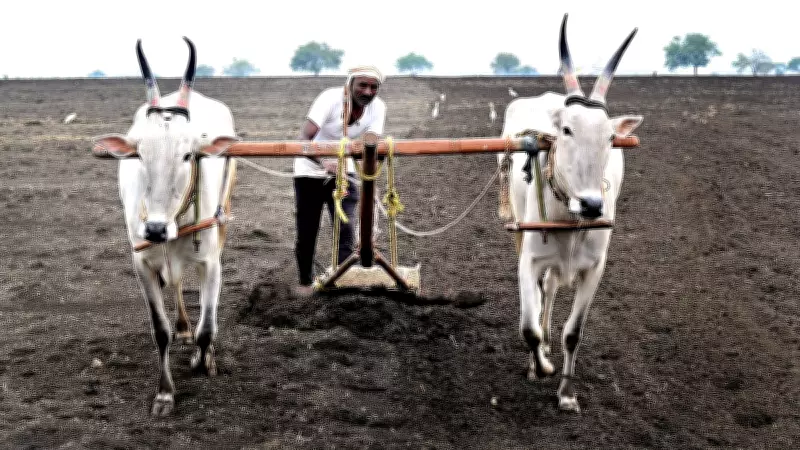
Karnataka farmers are grappling with rising input costs as the Kharif sowing season approaches, threatening their livelihoods and agricultural productivity. The Kharif season encompasses cultivation across nearly 70 lakh hectares in the state, with farmers heavily reliant on staple crops such as ragi, paddy, jowar, bajra, tur, and groundnut. The increase in prices for seeds, fertilizers, pesticides, and fuel has placed an additional financial burden on growers, many of whom are already struggling with debt and unpredictable weather patterns.
Key Challenges for Farmers
The primary concerns for Karnataka's agricultural community include the soaring cost of essential inputs. Fertilizer prices have risen significantly due to global supply chain disruptions and increased raw material costs. Similarly, high-quality seeds are becoming more expensive, limiting access for small and marginal farmers. Fuel costs for operating tractors and irrigation pumps have also surged, further squeezing profit margins.
Crops at Risk
Ragi, a staple millet in Karnataka, is particularly vulnerable as its cultivation requires substantial manual labor and inputs. Paddy, grown extensively in the coastal and northern regions, demands high water and fertilizer usage. Jowar and bajra, important for rain-fed areas, are also affected. Pulses like tur and oilseeds like groundnut face similar cost pressures, potentially reducing the area sown and overall production.

Farmers are calling for government intervention, including subsidies on fertilizers and seeds, easier access to credit, and better price support mechanisms. The state government has announced some relief measures, but farmers argue they are insufficient to offset the steep rise in costs. With the monsoon season crucial for Kharif crops, timely and adequate rainfall is another variable that could impact yields.
Agricultural experts warn that if input costs remain high, many farmers may reduce the area under cultivation or shift to less input-intensive crops, affecting food security and rural incomes. The situation underscores the need for sustainable farming practices and stronger support systems for Karnataka's agrarian economy.