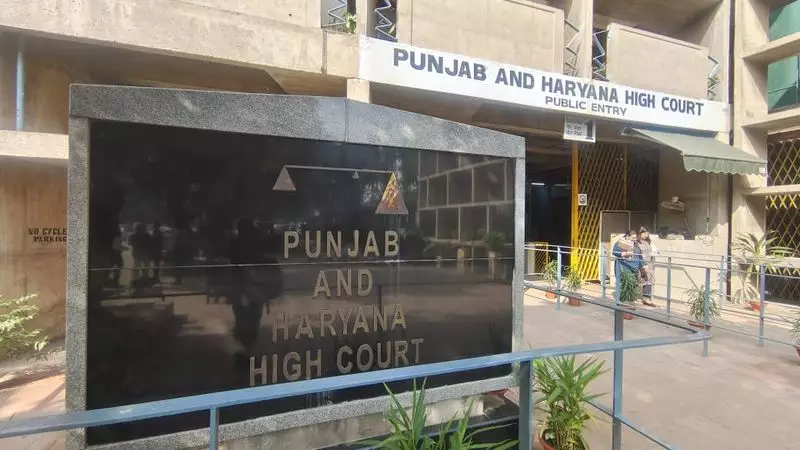
The Punjab and Haryana High Court has delivered a significant ruling, emphasizing that compensation awarded in legal cases should not be viewed as a mere bounty or windfall. Instead, the court clarified that such financial redress serves as a crucial recognition of the lifelong suffering and hardships endured by victims or their families. This landmark judgment underscores the humanitarian aspect of compensation, moving beyond purely monetary considerations.
Court's Directive to Insurers
In its detailed order, the High Court explicitly directed insurance companies to adopt a more liberal and compassionate approach when processing claims. The bench highlighted that insurers often take a rigid or technical stance, which can delay or deny rightful compensation to those in need. By urging a shift towards leniency, the court aims to ensure that victims receive timely support without unnecessary bureaucratic hurdles.
Context and Implications
The ruling arises from a specific case in Punjab, where the court was adjudicating a compensation claim. It reflects broader judicial trends in India that prioritize victim welfare over procedural formalities. This decision is expected to influence future cases across the region, potentially setting a precedent for how courts and insurers handle compensation matters related to accidents, injuries, or other traumatic events.
Legal experts have welcomed the judgment, noting that it aligns with the principles of social justice and equity enshrined in Indian law. The court's emphasis on "lifelong suffering" acknowledges the long-term physical, emotional, and financial impacts on victims, which often extend far beyond immediate medical expenses.
Key Takeaways for Stakeholders
- Compensation is framed as a right, not a privilege, recognizing enduring pain and loss.
- Insurers are encouraged to streamline claims processes and avoid excessive scrutiny.
- The ruling may lead to higher compensation awards in similar cases, benefiting claimants.
- It reinforces the judiciary's role in protecting vulnerable individuals from institutional delays.
Overall, this judgment marks a progressive step in Indian jurisprudence, advocating for a more empathetic legal system. As insurers reassess their policies, victims in Punjab and beyond may find it easier to secure the compensation they deserve for their lifelong struggles.