Beyond the Tragedy: Families of AI 171 Crash Victims Grapple with Flight Fears, Anxiety
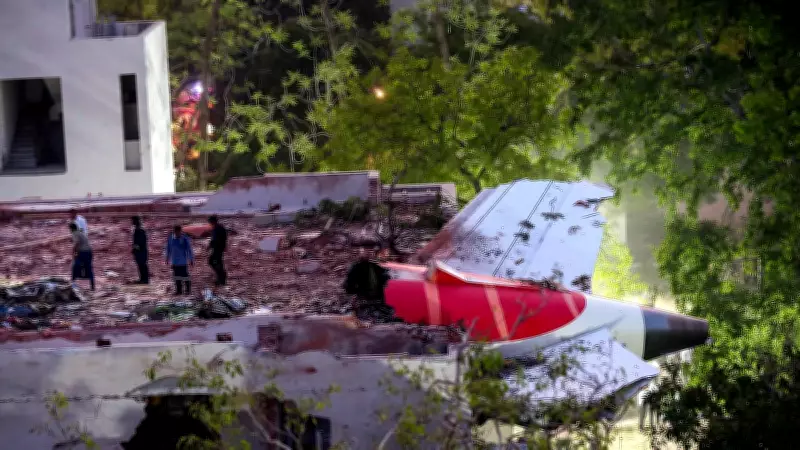
For many families and eyewitnesses, the tragedy did not end with the crash of Air India flight 171 in Ahmedabad. The psychological aftermath has left deep scars, with survivors and relatives battling persistent anxiety and a profound fear of flying.
The incident, which occurred on June 9, 2026, has had a lasting impact on those directly affected. Relatives of victims report experiencing nightmares, flashbacks, and an overwhelming sense of dread whenever they consider air travel. One family member expressed, "Every time I see a plane, I remember that day. The fear is paralyzing."
Psychological Toll on Survivors and Witnesses
Psychologists note that such traumatic events can trigger post-traumatic stress disorder (PTSD), leading to long-term mental health challenges. Dr. Anjali Mehta, a clinical psychologist in Ahmedabad, explained, "Survivors often develop hypervigilance and avoidance behaviors. They may refuse to board flights or experience panic attacks in airports."

Eyewitnesses who saw the crash unfold also suffer from similar symptoms. Many report difficulty sleeping and a constant feeling of unease. Community support groups have emerged to help these individuals cope, offering counseling and shared experiences.
Air India's Response and Support Measures
Air India has provided counseling services and financial assistance to the affected families. However, some relatives feel that more long-term psychological support is needed. "The compensation helps, but the emotional pain remains. We need ongoing therapy," said a victim's spouse.
The airline has also reviewed its safety protocols, but for many, trust in air travel has been shattered. The crash has reignited debates about aviation safety and mental health support for trauma victims.
As the city of Ahmedabad mourns, the journey toward healing continues for those left behind. The tragedy serves as a stark reminder of the invisible wounds that accompany such disasters.