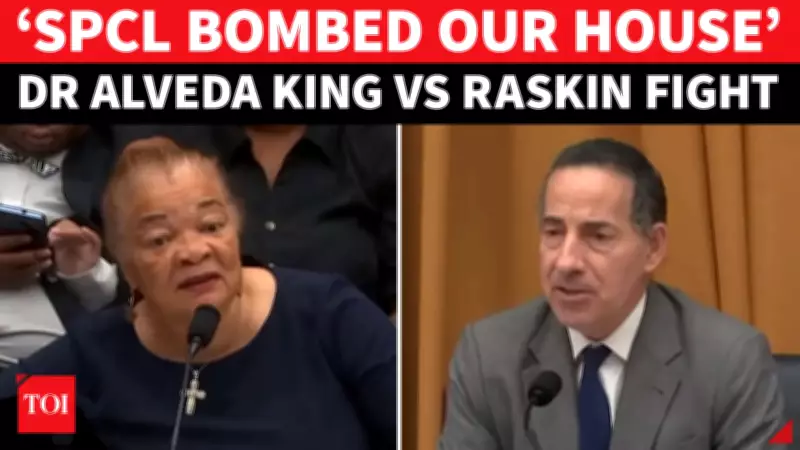
Sparks flew during a contentious House hearing when Dr. Alveda King clashed with Rep. Jamie Raskin over federal funding and the influence of the Southern Poverty Law Center (SPLC). King invoked her family's past experiences with political violence and sharply questioned whether taxpayer dollars were indirectly supporting organizations she believes have fueled hostility and division.
Heated Exchange Over SPLC's Role
At one point during the hearing, King demanded to know whether officials were “paying the people to bomb,” drawing a strong reaction in the room. The remark referenced her family's history, including the assassination of her uncle, Dr. Martin Luther King Jr., and her father, Rev. A.D. King. She argued that the SPLC's work has contributed to a climate of hatred rather than reconciliation.
Partisan Divisions on Display
The heated exchange underscored deep partisan divisions over the SPLC's role, government partnerships, and the broader debate surrounding extremism and political accountability. Rep. Raskin defended the SPLC, citing its efforts to track hate groups and provide educational resources. However, King countered that the organization has itself been accused of bias and has faced criticism for its labeling of conservative groups as extremist.

The hearing, which focused on federal funding for nonprofit organizations, became a flashpoint for broader cultural and political battles. King's comments drew applause from some in the audience and sharp rebukes from others, reflecting the polarized nature of the debate. The SPLC has long been a target of conservative critics who argue that it unfairly targets right-leaning groups while ignoring left-wing extremism.
Broader Implications
This clash highlights ongoing tensions over how the government funds and partners with organizations that monitor extremism. Supporters of the SPLC argue that its work is essential for public safety, while detractors claim it stifles free speech and promotes a partisan agenda. The hearing concluded without any immediate changes to funding, but the exchange has reignited calls for greater transparency in how taxpayer dollars are allocated to such groups.