Politics and sweets have shared a long and intertwined history, with confectionery playing a surprising role in elections and governance. One notable example is Pontrefact cakes, small black liquorice sweets with a distinctive medicinal taste. These sweets have been produced for nearly 400 years, each stamped with a unique design. On August 15, 1872, Pontrefact became the first location in the United Kingdom to hold an election using a secret ballot. The sweet's stamp was repurposed to seal the wax on the ballot box, ensuring the integrity of the votes until they were counted.
The Role of Sweets in Political History
Throughout history, sweets have been used as tools for political influence, bribery, and celebration. In ancient times, honey-based candies were offered to officials. During the 18th and 19th centuries, sugar became a symbol of wealth and power, often distributed during political campaigns to win favor. The Pontrefact cake story highlights how even a simple confectionery item could serve a practical purpose in safeguarding democracy.
Modern-Day Candy Politics
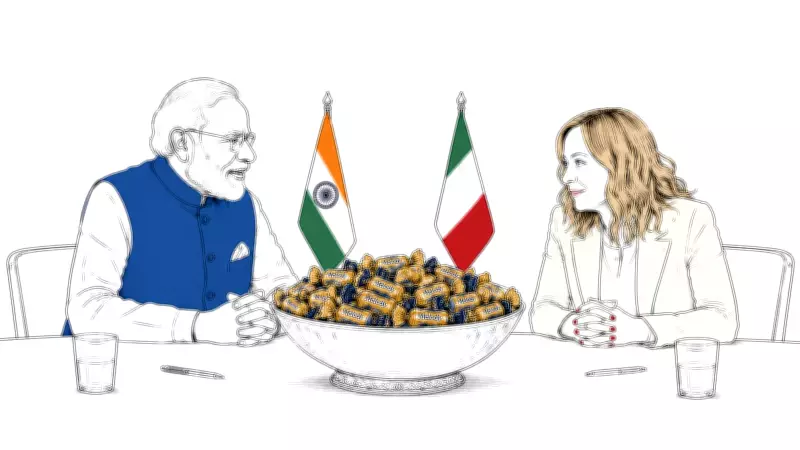
In contemporary politics, sweets remain a staple. Candidates often hand out candy at rallies, and themed candies are created for elections. For instance, in the United States, jelly beans were a favorite of President Ronald Reagan, while in India, political parties distribute sweets during festivals and victories. The psychology behind this is simple: sweets evoke positive emotions and create a sense of goodwill, making them effective tools for building rapport with voters.

Global Examples of Sweets in Elections
- United Kingdom: Besides Pontrefact cakes, toffees and chocolates were used in Victorian-era campaigns to curry favor with voters.
- United States: Candy bars and lollipops are common at campaign events, with some brands releasing limited-edition wrappers featuring candidates.
- India: During elections, political parties distribute boxes of sweets (mithai) to supporters and potential voters, especially in rural areas.
- Japan: In the 1950s, a candy called 'Vote' was marketed to encourage civic participation.
The Sweet Tooth of Power
Beyond elections, sweets have been used in diplomacy and statecraft. For example, the 'Sugar Rush' treaty of 1814 saw Britain return captured sugar islands to France as part of peace negotiations. Today, confectionery companies often lobby governments for favorable trade policies, and sugar subsidies remain a contentious political issue. The humble sweet, therefore, is not just a treat but a powerful symbol of political strategy and influence.
Conclusion
From sealing ballot boxes in 1872 to modern-day campaign giveaways, sweets have left an indelible mark on politics. The Pontrefact cake story is a reminder of how everyday objects can become part of historical milestones. As long as there are elections, there will likely be a sweet tooth in politics, leveraging the universal appeal of confectionery to win hearts and votes.