In recent years, Indian political parties have increasingly turned to the figure of the soldier as a tool for political branding. This trend, observed across party lines, raises critical questions about the militarization of political discourse and its implications for civil-military relations in a democracy.
The Soldier as a Symbol
The soldier, representing sacrifice, duty, and patriotism, is a powerful symbol in any nation. In India, this symbolism has been harnessed by political parties to project strength, nationalism, and commitment to national security. However, this appropriation often reduces the complex reality of military service to a simplistic, emotionally charged image used for electoral gain.
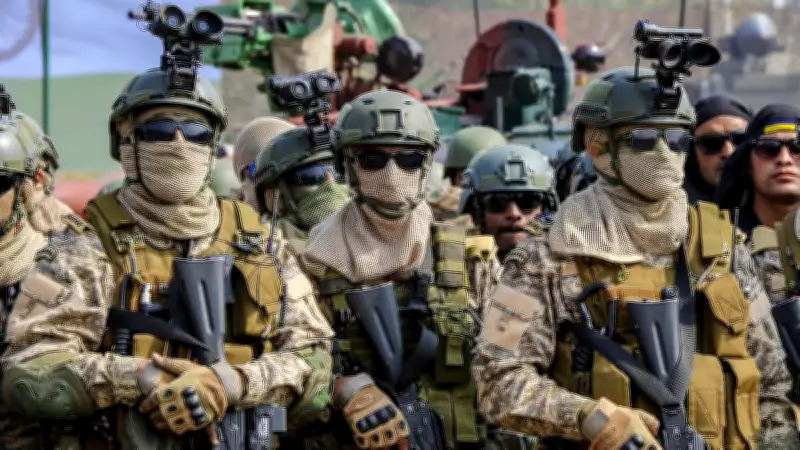
Political rallies, social media campaigns, and government advertisements frequently feature soldiers in uniform, sometimes without explicit consent or context. This practice has been criticized for exploiting the armed forces for partisan purposes, undermining the apolitical ethos expected of the military in a democratic setup.

Impact on Civil-Military Relations
The politicization of the soldier image can strain civil-military relations. When political parties claim to be the sole custodians of national security, they risk alienating segments of the population and creating a divisive narrative. Moreover, the military itself may feel used or pressured to align with particular political agendas, compromising its neutrality.
Historically, India's armed forces have maintained a professional distance from politics. The recent trend of using soldiers as political props challenges this tradition. Experts warn that repeated politicization could erode public trust in the military's impartiality and lead to a erosion of democratic norms.
Electoral Benefits and Ethical Concerns
From a political strategy perspective, the soldier brand is effective. It evokes emotions of pride and security, often diverting attention from pressing socio-economic issues. However, this comes at a cost. Ethical concerns include the exploitation of soldiers' sacrifices for partisan gain, the trivialization of military service, and the potential for misinformation when political narratives distort military operations.
Need for Regulation
Several democracies have guidelines to prevent the misuse of military imagery in politics. India lacks a clear regulatory framework, leaving the door open for exploitation. Civil society and military veterans have called for stricter norms, including requiring political parties to obtain permission before using soldiers' images and ensuring that such use does not imply military endorsement of any political ideology.
In conclusion, while the soldier as a political symbol is not new, its intensification in recent years warrants public debate. Balancing the legitimate pride in the armed forces with the need to preserve their apolitical character is essential for the health of Indian democracy. Political parties must reflect on whether short-term electoral gains justify long-term damage to civil-military relations and national unity.