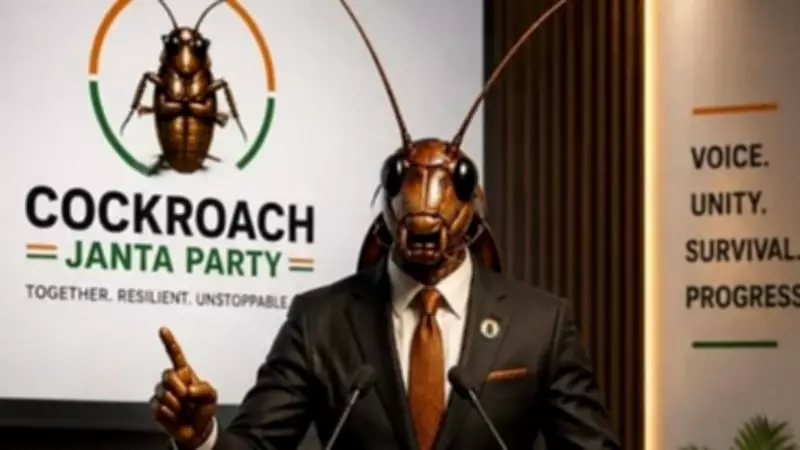
An editorial in a leading newspaper has argued that suppressing satire is an act that weakens the foundations of democracy. The piece emphasizes that satire serves as a vital tool for holding power to account and fostering public debate.
The Role of Satire in Democracy
Satire, through humor and irony, exposes the flaws and absurdities of those in power. It allows citizens to critique authority in a manner that is both accessible and impactful. The editorial notes that when satire is suppressed, it sends a chilling effect on free expression, which is a cornerstone of democratic societies.
Historical Context
Throughout history, satirists have faced persecution for their work. From ancient Greece to modern times, authorities have often sought to silence critics through legal or extralegal means. The editorial draws parallels to contemporary incidents where satirical content has been censored or punished, warning that such actions erode public trust in institutions.

Legal and Ethical Implications
The editorial explores the legal frameworks that protect satire in many democracies, such as the First Amendment in the United States. It argues that while no right is absolute, restrictions on satire must be narrowly tailored and justified by compelling state interests. The piece cautions against overbroad laws that can be misused to target dissent.
The Danger of Self-Censorship
Beyond legal suppression, the editorial highlights the risk of self-censorship among artists and writers who fear reprisal. This internalized restraint can be even more damaging to democratic discourse, as it silences voices before they are even heard.
Conclusion
The editorial concludes that a healthy democracy requires a vibrant public square where all forms of expression, including satire, are protected. Suppressing satire not only violates fundamental rights but also weakens the democratic system by removing a crucial check on power. It calls on citizens and lawmakers to defend the right to satire as an essential component of democratic governance.