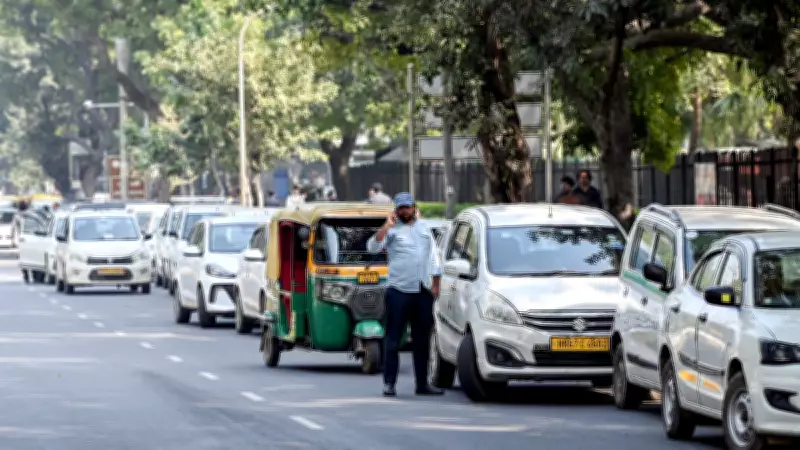
Taxi services in the Chandigarh tricity area, encompassing Chandigarh, Mohali, and Panchkula, were severely disrupted on Wednesday as drivers working for ride-hailing giants Uber and Ola went on an indefinite strike. The protest, which began early in the morning, left thousands of commuters stranded as the popular app-based cabs remained off the roads.
Reasons Behind the Strike
The drivers have put forward a list of demands, primarily focusing on financial viability and fair treatment. They are seeking a significant increase in base fares and per-kilometer rates, arguing that the current pricing structure makes it impossible to earn a sustainable livelihood after factoring in fuel costs, vehicle maintenance, and commissions paid to the platforms.
Another key demand is the reduction of commission charged by Uber and Ola, which drivers claim is as high as 25-30% per trip. They are asking for it to be capped at 15% to ensure a fairer share of the revenue.

Additional Grievances
Drivers have also raised concerns about the lack of transparency in incentive structures. They allege that the companies frequently change the terms of bonuses and surge pricing without prior notice, making it difficult to plan earnings. Furthermore, they are demanding stricter action against illegal taxi operators who, according to them, undercut fares and operate without proper licenses, affecting their business.
Safety issues were also highlighted, with drivers calling for better insurance coverage and support in case of accidents or disputes with passengers.
Impact on Commuters
The strike caused chaos at major transit points, including the Chandigarh railway station, bus stand, and airport. Many commuters were seen struggling to find alternative transport, with auto-rickshaws and local buses witnessing a sudden surge in demand. Office-goers and students were particularly affected, as they rely heavily on app-based taxis for daily commutes.
Passengers expressed frustration over the lack of communication from Uber and Ola regarding the disruption. Some took to social media to complain about the sudden unavailability of rides.
Authorities' Response
Local authorities have taken note of the situation. The Chandigarh administration has called for a meeting between driver unions and company representatives to resolve the impasse. Officials have urged both parties to arrive at a mutually acceptable solution at the earliest to restore normalcy.
Meanwhile, Uber and Ola have issued statements acknowledging the strike and expressing willingness to engage with driver partners to address their concerns. However, no immediate resolution has been reached.
Broader Context
This strike is part of a wider trend of unrest among gig economy workers across India. Similar protests have been reported in other major cities, including Delhi, Bengaluru, and Mumbai, where drivers have been demanding better pay and working conditions. The outcome of the tricity strike could set a precedent for how ride-hailing companies handle such disputes in the future.