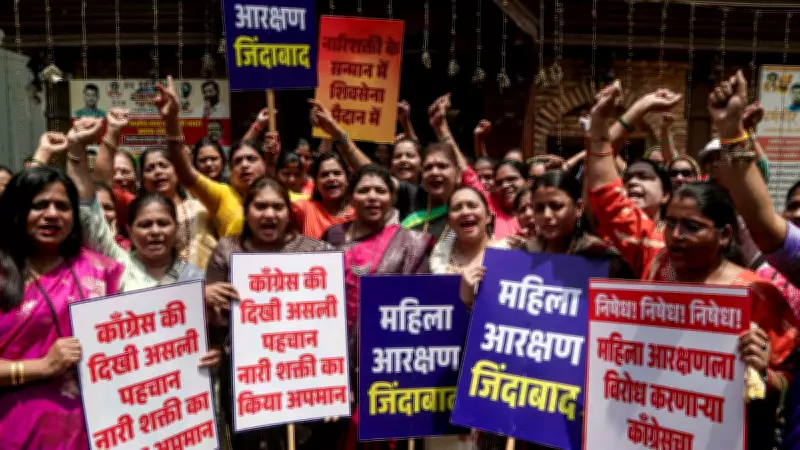
The recent rebellion within the Trinamool Congress (TMC) has created a political vacuum that the National Democratic Alliance (NDA) is keen to exploit. Sources indicate that the ruling coalition sees this as an opportune moment to push forward two key legislative agendas: the Delimitation Bill and the Women's Reservation Bill. These bills, which have been stalled for years due to political opposition, may now find smoother passage in Parliament.
Delimitation Bill: Reshaping Electoral Boundaries
The Delimitation Bill aims to redraw the boundaries of parliamentary and assembly constituencies based on the latest census data. Proponents argue that it would ensure fair representation by accounting for population shifts. However, it has faced resistance from southern states and parties like the TMC, who fear losing seats to the more populous northern regions. With the TMC weakened, the NDA might garner enough support to pass the bill.
Women's Reservation Bill: A Long-Pending Promise
The Women's Reservation Bill, which seeks to reserve 33% of seats in Parliament and state assemblies for women, has been pending for over two decades. The NDA has made its passage a priority, but previous attempts were thwarted by lack of consensus. The TMC rebellion could reduce the opposition's strength, making it easier to secure the required two-thirds majority.

Political analysts suggest that the NDA's strategy involves capitalizing on internal dissent within rival parties. The TMC, led by Mamata Banerjee, has been a vocal critic of both bills. However, with several TMC MPs reportedly in talks with the BJP, the party's unity is under threat. This defection wave could tilt the numbers in favor of the NDA.
Opposition parties have accused the government of exploiting the situation for political gain. They argue that the delimitation process should be based on the 2031 census and that the women's reservation bill requires broader consultation. Despite these concerns, the NDA appears determined to move forward.
If successful, these bills would mark a significant shift in India's political landscape. The delimitation could alter the power balance between states, while the women's reservation bill would enhance gender representation. The coming weeks will be crucial as Parliament convenes to debate these contentious issues.