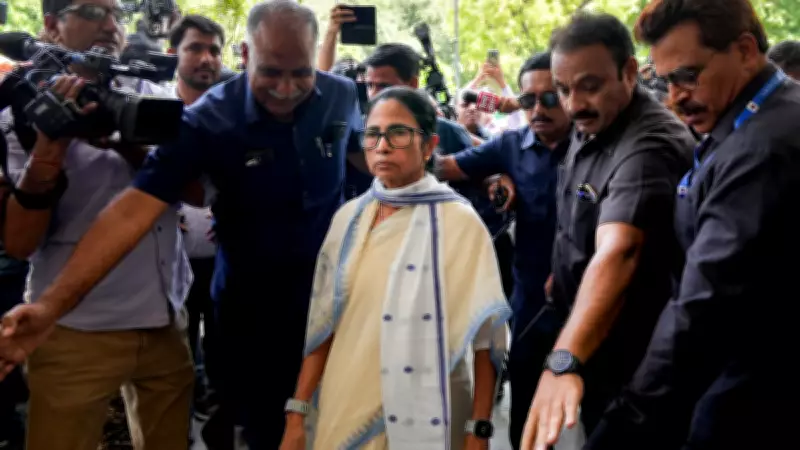
The political turmoil within the Trinamool Congress (TMC) has escalated dramatically as a rebel faction has claimed the support of 20 Members of Parliament (MPs), signaling a deepening crisis for West Bengal Chief Minister Mamata Banerjee. The development comes amid growing discontent within the party ranks, with dissidents openly challenging Banerjee's leadership.
Rebel Faction's Bold Claim
The faction, led by senior leader Kakoli Ghosh Dastidar, asserted that they have the backing of at least 20 TMC MPs in the Lok Sabha and Rajya Sabha. This claim, if verified, would represent a significant chunk of the party's parliamentary strength, potentially threatening the stability of the TMC's national presence. Dastidar, a former Rajya Sabha member, has been vocal about the need for organizational changes and greater transparency within the party.
Reasons Behind the Rebellion
The rebellion appears to stem from a combination of factors, including dissatisfaction with the party's internal democracy, alleged sidelining of senior leaders, and differences over strategic decisions. Sources indicate that the dissidents are demanding a more inclusive decision-making process and a review of the party's electoral strategies. The TMC, which has been in power in West Bengal since 2011, has faced increasing internal friction in recent months, with several leaders expressing frustration over what they perceive as authoritarian tendencies within the leadership.

Mamata Banerjee's Response
Chief Minister Mamata Banerjee has yet to make a formal statement on the rebellion, but party insiders suggest that she is closely monitoring the situation. The TMC leadership has dismissed the claims of the rebel faction, stating that the party remains united under Banerjee's guidance. However, the growing dissent has raised concerns about the party's ability to maintain its cohesion ahead of crucial upcoming elections.
Implications for the TMC
The rebellion poses a serious challenge to the TMC's organizational strength. If the dissident faction manages to consolidate its support, it could lead to a split in the party, weakening its position in both state and national politics. The TMC currently holds 22 seats in the Lok Sabha and 13 in the Rajya Sabha, making it a significant player in the opposition bloc. Any reduction in its parliamentary strength could impact its bargaining power and influence in national politics.
Political Reactions
The development has drawn reactions from political rivals, with the Bharatiya Janata Party (BJP) and the Congress party seizing the opportunity to criticize the TMC. BJP leaders have called the rebellion a sign of the TMC's internal decay, while Congress has expressed solidarity with the dissidents, calling for democratic reforms within the party. The rebel faction, meanwhile, has indicated that it will take its demands to the party's highest decision-making bodies, setting the stage for a potential showdown at the next TMC parliamentary party meeting.
As the situation unfolds, all eyes are on Mamata Banerjee's next move. The TMC chief, known for her political acumen, will need to navigate this crisis carefully to prevent further erosion of her authority. The coming days are likely to be crucial for the future of the Trinamool Congress.