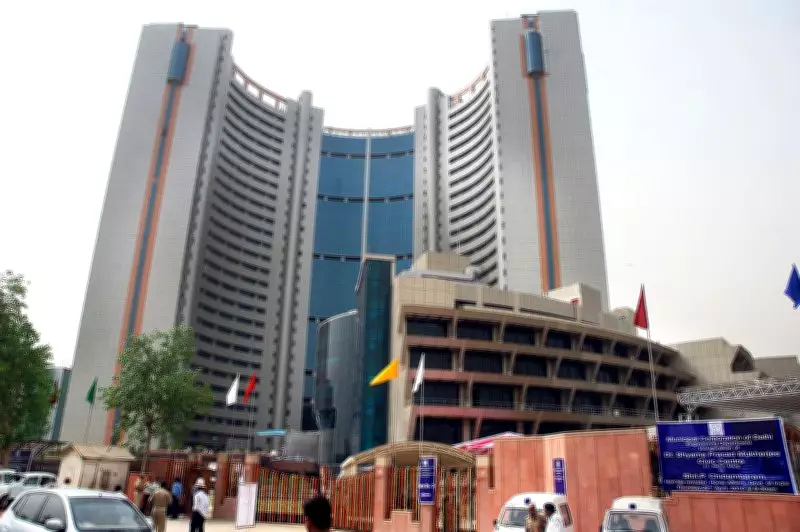
The Municipal Corporation of Delhi (MCD) has canceled the booking of Nehru Park for Eid prayers, triggering a fresh controversy over the use of public spaces for religious activities. The decision comes days after a political row erupted over the chanting of religious and political slogans during a recent event at the same venue.
Background of the Controversy
Earlier this month, during an event at Nehru Park, participants raised slogans that were deemed provocative by certain political groups. This led to allegations of misuse of public spaces for political purposes, prompting the MCD to review all pending bookings. The cancellation specifically targets the application for Eid namaz, which was scheduled to be held on the occasion of Eid-ul-Fitr.
MCD's Stance
An MCD official stated, "The decision was taken to maintain law and order and prevent any untoward incident. We have to ensure that public parks are not used for activities that could disturb communal harmony." The official added that the corporation is considering stricter guidelines for future bookings of public spaces.

Reactions from Muslim Community
Muslim leaders have expressed disappointment, calling the move discriminatory. "Eid prayers have been held at this park for years without any incident. Canceling the booking at the last minute is an attack on our religious freedom," said a representative of the local Muslim welfare association. They have threatened to approach the court if the decision is not reversed.
Political Fallout
The Bharatiya Janata Party (BJP) has supported the MCD's decision, arguing that public spaces should not be used for religious gatherings that could disrupt public order. In contrast, the Aam Aadmi Party (AAP) has criticized the move, accusing the BJP-led MCD of targeting the Muslim community. The issue is likely to escalate as both parties gear up for the upcoming municipal elections.
Broader Implications
This incident highlights the ongoing debate over the secular nature of public spaces in India. While some argue for unrestricted access for religious practices, others emphasize the need for regulations to prevent potential conflicts. The MCD's decision may set a precedent for how similar requests are handled in the future.
As the matter gains attention, the affected community is exploring alternative venues for Eid prayers, though many feel that the cancellation is a deliberate attempt to marginalize them. The final outcome remains uncertain, with legal challenges likely.