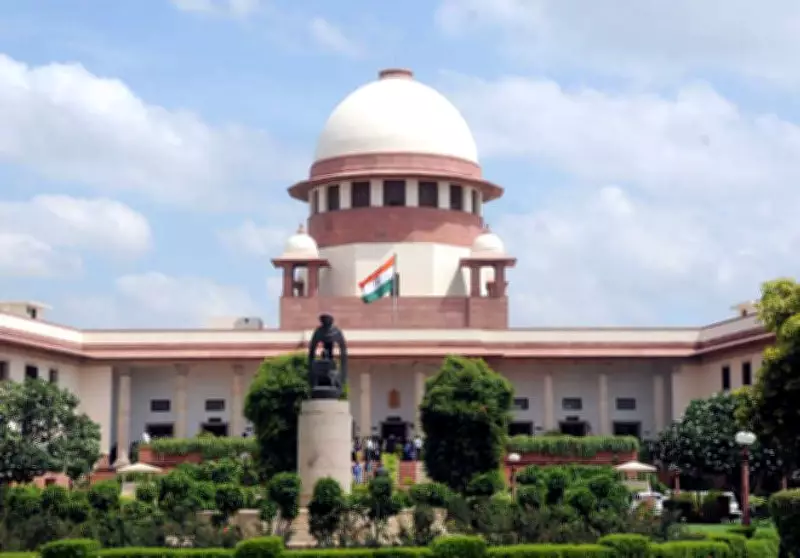
The Supreme Court of India has expressed strong disapproval over a 43-year delay by the Allahabad High Court in deciding the appeal of a murder convict, calling the situation 'disturbing.' The case involves a man who remained on bail for four decades while his appeal was pending.
Background of the Case
The convict, identified as Vijay Singh, was sentenced to life imprisonment for murder in 1983. He filed an appeal before the Allahabad High Court the same year. However, due to repeated adjournments and systemic inefficiencies, the appeal remained unresolved for over 43 years. During this period, Singh was granted bail and lived as a free man while the judicial process languished.
Supreme Court's Observations
A bench of Justices Sanjay Kishan Kaul and Sudhanshu Dhulia took suo motu cognizance of the delay after a letter was brought to their attention. The court noted that such prolonged delays undermine the credibility of the justice system. 'It is disturbing that an appeal has remained pending for 43 years. This is a serious reflection on the functioning of the judiciary,' the bench remarked.

The Supreme Court directed the Allahabad High Court to expedite the hearing and conclude the appeal within six months. It also sought a report from the High Court's registrar general explaining the reasons for the inordinate delay.
Impact on the Convict and Justice
Vijay Singh, now in his 70s, has spent most of his life under the shadow of a life sentence while being on bail. Legal experts point out that such delays violate the fundamental right to a speedy trial under Article 21 of the Constitution. The case highlights the chronic problem of judicial pendency in Indian courts, particularly in high courts.
Broader Implications
The Supreme Court's intervention is seen as a wake-up call for the judiciary to address delays in criminal appeals. The court emphasized that prolonged pendency not only affects the accused but also denies justice to victims and their families. 'Justice delayed is justice denied,' the bench observed, quoting the famous legal maxim.
The case has sparked discussions on the need for judicial reforms, including the appointment of more judges, better case management, and the use of technology to reduce backlog. The Supreme Court has previously taken steps to monitor pendency, but this incident underscores the persistent challenges.
Reactions from Legal Circles
Senior advocates and human rights activists have welcomed the Supreme Court's strong stance. They argue that the judiciary must be held accountable for such delays. 'This is not an isolated case. Thousands of appeals are pending for decades. The Supreme Court's intervention sets a precedent,' said a legal commentator.
The Allahabad High Court has been asked to submit a compliance report within three months. The convict's lawyer expressed hope that the appeal would now be heard promptly, bringing closure to a case that has dragged on for over four decades.