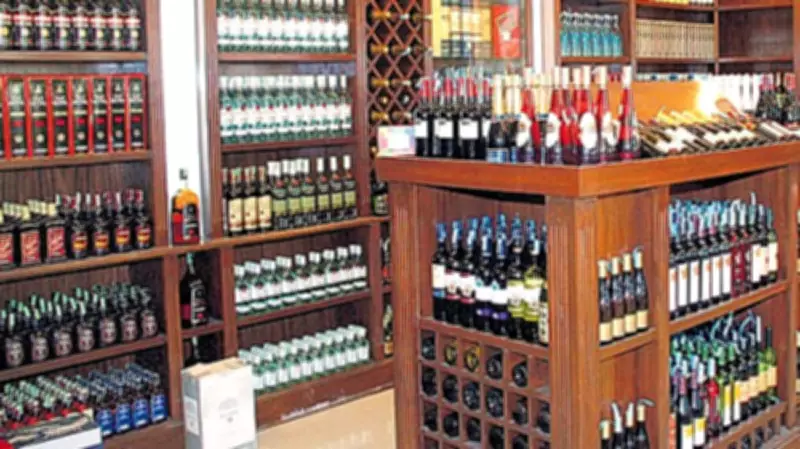
The Indian government's recent decision to liberalize liquor sales in the Union Territory of Lakshadweep has drawn significant criticism from various quarters. The new rules, announced on June 9, 2026, aim to open up an economic revenue stream for the region by allowing the administration to levy excise duties, licence fees, and processing charges to fund regional development.
Background of the Liquor Policy Change
Lakshadweep, a group of islands off the southwestern coast of India, has historically maintained a strict ban on alcohol consumption and sales, respecting the cultural and religious sentiments of its predominantly Muslim population. The ban has been a cornerstone of local identity and social norms, with only a few exceptions for tourists in designated resorts.
The new policy seeks to relax these restrictions, permitting the sale of liquor in select areas and under regulated conditions. Proponents argue that this move could boost tourism and generate much-needed revenue for infrastructure and public services. However, critics contend that it undermines the traditional values of the islands and could lead to social problems.

Economic Rationale Behind the Decision
The administration has highlighted the potential economic benefits of liberalizing liquor sales. By imposing excise duties and licence fees, the government can generate funds to support local development projects, including healthcare, education, and transportation. Additionally, allowing alcohol sales in tourist zones could attract more visitors, increasing spending and creating jobs in the hospitality sector.
Officials estimate that the new policy could contribute significantly to the Union Territory's budget, reducing its dependence on central government grants. This aligns with broader efforts to promote economic self-sufficiency in Lakshadweep.
Criticism and Opposition
Despite the economic arguments, the decision has faced strong opposition from local community leaders, religious groups, and political activists. They argue that the liquor ban is an integral part of Lakshadweep's cultural fabric and that its removal could lead to increased alcohol abuse, family discord, and crime.
Critics also point out that the decision was made without adequate consultation with local stakeholders, raising concerns about top-down governance. Some have called for a referendum or public debate before implementing such a significant policy change.
Environmentalists have also voiced concerns, warning that increased tourism and alcohol consumption could strain the fragile ecosystem of the islands, which are known for their pristine beaches and coral reefs.
Comparison with Other Indian States
Lakshadweep's liquor policy change mirrors similar debates in other Indian states. For instance, Bihar and Gujarat have maintained strict prohibition laws, while states like Goa and Sikkim have liberal alcohol policies that boost tourism. The Lakshadweep administration appears to be following the latter model, but the unique cultural context of the islands makes the comparison contentious.
In Kerala, which shares cultural ties with Lakshadweep, alcohol policies have been a subject of intense debate, with periodic shifts between liberalization and restriction. The outcome in Lakshadweep could set a precedent for other Union Territories with similar demographics.
Way Forward
The government has indicated that the new rules will be implemented gradually, with provisions for monitoring and feedback. Officials have assured that strict regulations will be in place to prevent misuse, including limits on sale timings, age verification, and penalties for violations.
However, the controversy is unlikely to subside soon. As the policy takes effect, all eyes will be on Lakshadweep to see whether the economic gains outweigh the social costs. The debate also underscores the broader tension between development and tradition in India's diverse regions.