The International Cricket Council (ICC) is exploring significant rule changes across all formats of the game, with one of the most intriguing proposals being the use of both pink and red balls in the same Test match. This potential shift aims to enhance the adaptability of day-night Tests and address challenges posed by varying light conditions.
Proposed Use of Two Balls in a Test
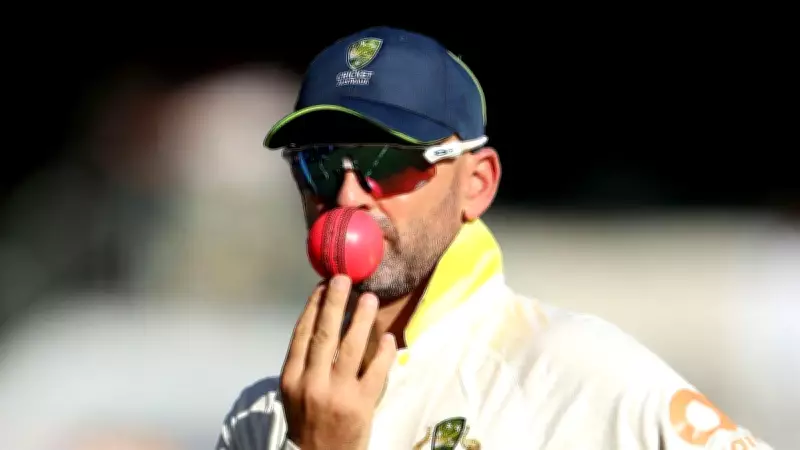
Under the current regulations, a single type of ball is used throughout a Test match. However, the ICC's cricket committee has floated the idea of allowing teams to switch between a pink ball and a red ball during a game, depending on the time of day. The pink ball is traditionally used in day-night Tests for better visibility under floodlights, while the red ball is standard for daytime play. If implemented, this change could see the ball being swapped at the onset of a new innings or even during a session if light conditions change dramatically.
Other Format-Specific Changes Under Review
Beyond Test cricket, the ICC is also considering tweaks to One-Day Internationals (ODIs) and Twenty20 (T20) matches to keep the formats engaging and balanced. In ODIs, there is discussion about splitting the innings into two halves of 25 overs each, with each team getting a fresh set of resources. This could potentially reduce the impact of dew and other external factors. For T20s, the committee is evaluating the introduction of a 'powerplay' over after the 16th over to boost scoring rates in the death overs.

Impact on the Game
Cricket purists have expressed mixed reactions to the proposed changes. Supporters argue that such innovations could make Test cricket more dynamic and attract larger crowds, especially in day-night matches. Critics, however, worry that switching balls mid-match could disrupt the rhythm of bowlers and create confusion. The ICC has emphasized that any changes will be thoroughly tested before implementation, with trials possibly conducted in domestic competitions first.
Next Steps
The ICC cricket committee, led by former India captain Sourav Ganguly, is expected to present a detailed report on these proposals at the next board meeting. If approved, the changes could be introduced in the 2025-26 international season. The committee has also called for feedback from players, coaches, and broadcasters to ensure the alterations enhance the game without compromising its integrity.
As cricket evolves to meet modern demands, the ICC's willingness to experiment with rules signals a proactive approach to preserving the sport's relevance. Whether the pink-and-red ball scenario becomes a reality remains to be seen, but it has certainly sparked a lively debate among fans and experts alike.