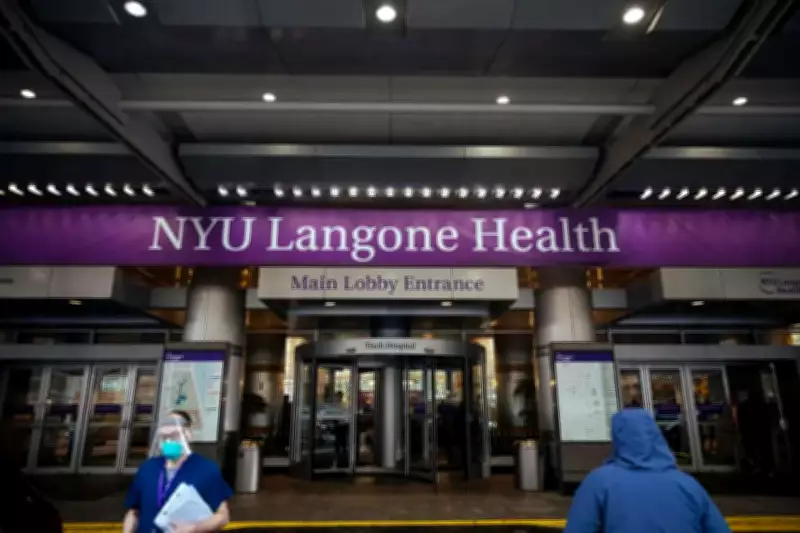
In the highly competitive field of philanthropy among elite universities, large donations from wealthy benefactors are often seen as a legacy-building exercise. Typically, a record donation to a prestigious institution results in a new building or a named institute. However, this traditional approach overlooks the severe economic pressures faced by millions of students before they even enter a classroom. Medical students, in particular, struggle with rising tuition, high living expenses, and rigid institutional policies, forcing them to rely on massive commercial loans at high interest rates.
Philanthropy with a Grassroots Impact
Kenneth and Elaine Langone transformed this narrative by ensuring their philanthropy made an impact at the grassroots level rather than adding to institutional prestige. By directing their capital directly into a tuition-free medical school model, they turned one of America's premier urban institutions from a symbol of prestige into a vehicle for revolution.
Tuition Abolition Creates Opportunities
By shifting the approach from construction to investment in human capital, the formula for higher education is transformed. This generosity converts personal wealth into upward social mobility, ensuring that a medical degree becomes the start of a successful career, not a lifetime of debt. According to the NYU Grossman School of Medicine MD Admissions Program guidelines, all admitted students automatically receive a full-tuition scholarship. Rather than a one-off award, the system ensures debt-free scholarships cover additional needs beyond tuition, enabling clinical excellence without financial burden.

Adoption and Impact
Empirical evidence from NYU Long Island School of Medicine shows the tuition-free program has been rapidly adopted due to regional health shortages. A $200 million gift from Kenneth and Elaine Langone provides full scholarships for all current and future students in the new three-year primary care curriculum. By directing funds toward accelerated learning pathways, the program removes financial pressure that discourages graduates from becoming general physicians, internists, and pediatricians. This initiative injects capital directly into students, fostering upward social mobility and removing barriers for aspiring doctors.
Regional Stability for Sustainable Healthcare
Regional stability depends on addressing debt rather than physical resources. The large-scale deployment of funds was carefully designed to tackle access issues in the healthcare system. While donations are often measured by their size, the true significance lies in their immediate incorporation into the institutional structure. The initiative used a flexible, trust-based funding model that bypassed administrative hurdles.
Long-Term Change Through Flexible Funding
Long-term change in education and medicine cannot be achieved through one-off, inflexible grants with strict donor control. It requires gradual development, using local university administrators' judgment to direct resources where they are most needed. Modern philanthropists who understand investing in human potential reduce administrative burdens on underfunded institutions. This philosophy—selecting the right pipeline of professionals, identifying their needs, and removing financial limitations—turns a learning facility into a powerful engine for community medicine. The real meaning of a donation emerges when the full potential of people is unleashed, making a vast fortune work for citizens rather than glorifying the donor.