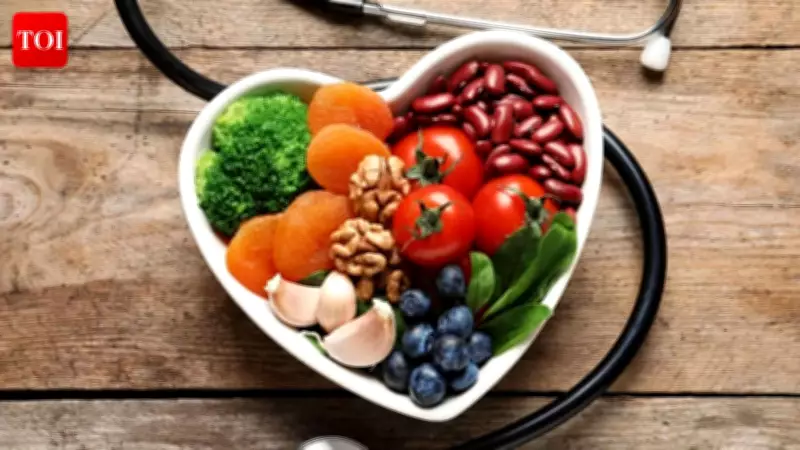
We have all heard it countless times: eat at least five servings of fruits and vegetables daily. It is the golden rule for healthy living. However, new research turns this advice on its head: not all fruits and vegetables protect your heart equally. What you choose matters as much as how much you consume.
The Study Findings
A large international study published in the journal Food and Function, tracking the diets of over 30,000 people in the United States and the United Kingdom, discovered something eye-opening. It turns out that most adults are not consuming enough flavanols, which are plant compounds known for maintaining healthy blood vessels and reducing inflammation. Even individuals who met their five-a-day targets typically did not achieve the 500 milligrams of flavanols per day linked to significant heart benefits.
The study analyzed actual dietary intake, matched it to blood biomarkers, and found that less than a quarter of five-a-day eaters reached the flavanol target. Therefore, simply counting portions is insufficient. You need to consider which fruits and vegetables end up on your plate.

What Are Flavanols?
Flavanols, part of the larger flavonoid family, are found in foods such as berries, tea, apples, and beans. Research indicates that these compounds help blood vessels stretch and relax, combat inflammation, and may reduce heart disease risk over time. So, what should you reach for on your next shopping trip? Here are the top five flavanol-packed foods you should actually be eating.
Top Flavanols-Rich Foods
- Plums: The surprising winner. A 500-gram portion, roughly a punnet, provides about 450 mg of flavanols, nearly hitting the 500 mg mark on its own. Plums are often overlooked, but their sweet taste and high fiber make them easy to incorporate into breakfast, snacks, or desserts.
- Cranberries: Small but powerful, cranberries come in second with around 300 mg per 250 grams. While many associate them only with urinary health, they are excellent for heart health as well. Fresh cranberries can be tart, but adding them to smoothies or salads works wonders.
- Blackberries: With about 250 mg in 200 grams, blackberries offer dual benefits. They provide fiber, vitamin C, antioxidants, and those crucial flavanols. Toss them on yogurt or porridge, or eat them straight from the punnet.
- Green Tea: Green tea is essentially nutrients in liquid form. One cup delivers around 200 mg of flavanols. The best part is that you do not have to rely solely on fruit to meet your daily target. Sipping a cup or two alongside berries or plums puts you well on your way. Green tea's reputation for heart health is no accident, as flavanols do much of the heavy lifting.
- Broad Beans: Broad beans are the dark horse you cannot ignore. You might not think of beans as heart helpers, but 80 grams of broad beans provides 140 mg of flavanols. Along with plant protein and fiber, they are a solid choice for anyone seeking a balanced, plant-rich diet.
Other Good Sources
Apart from these top five foods, the study mentions other beneficial sources. Cherries (nearly 130 mg), apples with skin (nearly 110 mg), strawberries, pinto beans, as well as the usual blueberries and raspberries, are also good options. By mixing and matching a few servings, it is quite easy to reach that magic 500 mg target.
However, as always, it is worth noting that discarding general nutrition advice would not benefit anyone, and diversity remains key. While this new data shows that not every carrot stick or salad leaf provides the same heart benefits, it is wiser to focus on what is actually in your fruit bowl.
Conclusion
To summarize, you do not need fancy supplements or exotic superfoods. Simply fill your basket with plums, blackberries, some broad beans, and green tea. With a few simple swaps, your five-a-day can become a real shield against heart disease, requiring no extra effort.