The birth of some inventions occurs in laboratories through extensive research and technical experiments conducted over time. However, in other cases, the inspiration behind an invention can be found in the daily life of the inventor, among the frustrations faced every day in a rushed environment. The invention of GaBBY Bows is one such example.
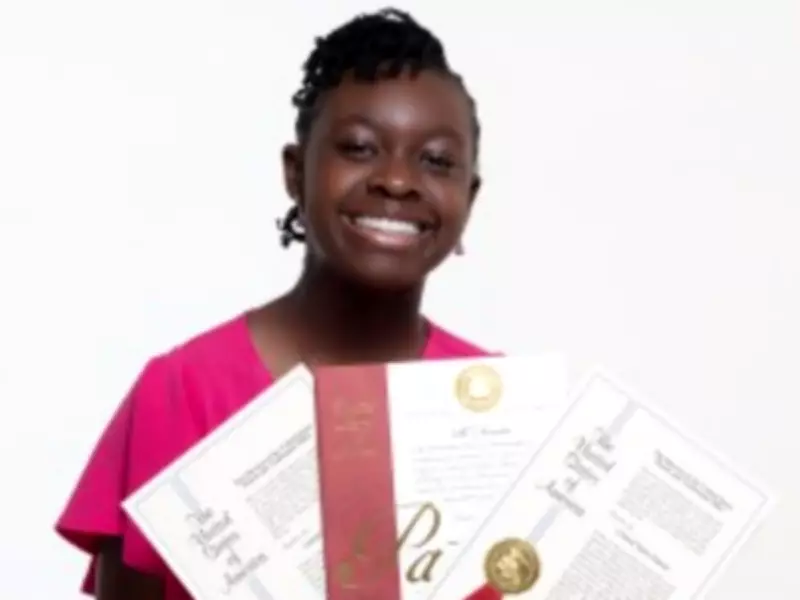
According to the United States Patent and Trademark Office (USPTO), Gabby Goodwin was just five years old when her mother, Rozalynn Goodwin, noticed a recurring problem. Gabby would leave for school wearing hair bows and return home without them. Frustrated by the constant loss of barrettes, Rozalynn searched for a better alternative. Thus, GaBBY Bows—a double-sided barrette—were invented.
A Small Household Frustration That Became an Invention
What made the story stand out was its simplicity. It did not involve any scientific breakthrough. Rather, it involved an innocent child constantly losing hair bows at school and a concerned parent addressing the issue. As stated on the USPTO’s website dedicated to young inventors, the Goodwin family invented the double-face, double-snap barrette out of the need to enhance grip and retention. This innovation stemmed from personal experience, not from any business forecast or fashion industry demand. The invention gained popularity precisely because of its practical origin.

Why Hair Retention Matters in Children’s Styling
The product’s appeal reflects a broader issue linked to children’s hair care. Medical literature shows that repeated tension and poorly managed hairstyles can affect hair health over time. A review indexed in PubMed explains that traction alopecia in children can develop from prolonged tension on hair follicles caused by hairstyles and accessories. The study notes that prevention largely depends on reducing unnecessary pulling and stress on the scalp. Another overview on traction alopecia states that hair loss can result from excessive pressure applied through hairstyles and accessories. Early instances of traction alopecia can improve when the cause of tension stops. Although these scholarly sources do not directly reference GaBBY Bows, they shed light on why parents carefully monitor the tightness and comfort of children’s hair accessories. The need for a barrette that does not require frequent tightening becomes obvious.
More Than a Cosmetic Concern
The problems a child faces with their hair may have emotional significance as well. According to a peer-reviewed article, hair and scalp conditions in children can lead to cosmetic and psychological issues for both children and their parents. The bigger picture explains why the Goodwins considered Gabby’s missing bows an emotionally significant problem rather than a trivial one. Minor irritants often dictate routine behaviors, particularly for young children getting ready for school. Another review on alopecias notes that hairstyle options like tight ponytails and braids can strain hair, leading to breakage or loss. The importance of combining security with reduced strain is discussed, which is precisely what made the GaBBY Bows idea attractive: the goal was to ensure safety without constant readjustment.
From Family Solution to Recognized Innovation
The story gained more exposure as it went beyond fixing a home problem. Reportedly, the invention became part of the USPTO’s young inventor projects, placing Gabby Goodwin among kids who created innovations based on their experiences. This extra validation made the story more credible, indicating that a seemingly simple parenting problem can lead to a successful patented invention. The story also proves that many great inventions are simple; sometimes, all you need is to observe what is happening around you carefully. In this case, it was obvious that a child’s hair decorations kept disappearing.

Why the Story Continues to Resonate
What makes the story interesting and captivating is its relatability. Most parents know the feeling of repeatedly replacing lost items their children take to school. What turned this into an example of invention was the realization of how serious the problem really was. This did not lead to an extravagant technological revolution; instead, it resulted in redesigning an existing product already familiar to millions of families worldwide. This human factor made the story particularly fascinating. The girl was losing her bows, her parents identified the problem, and they invented a product for people in similar situations. Sometimes, this is how innovation works.