The biodiversity of Madagascar, wildlife surveys, endemic species, rainforest conservation, and ecological research have attracted increasing scientific interest. Researchers are developing more effective techniques to study the unique wildlife of this island nation. Madagascar is globally renowned for its exceptional plant and animal biodiversity. Scientists now apply advanced methods such as acoustic monitoring, environmental DNA (eDNA), and camera trapping to discover species that conventional methods might miss.
Why Madagascar Is a Unique Biodiversity Hotspot
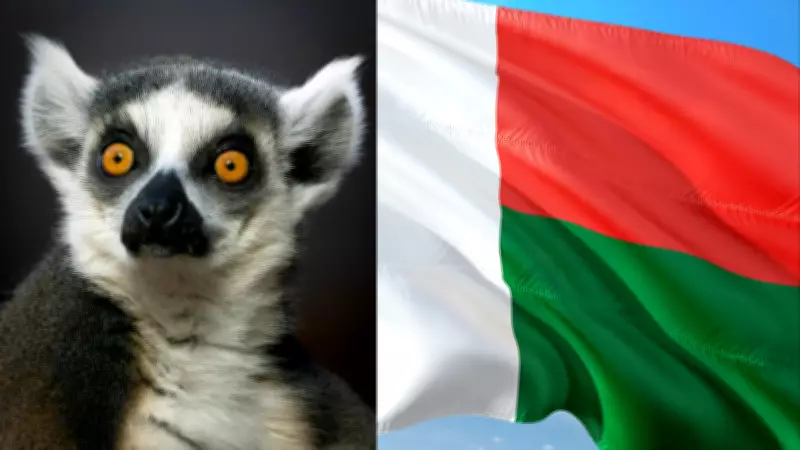
Madagascar is considered one of Earth's greatest biodiversity sites. Geographically isolated from mainland Africa for thousands of years, the island has developed its own ecosystem with species found nowhere else. According to the World Wildlife Organisation, about 80% of Madagascar's wildlife is endemic, including lemurs, baobabs, and colorful chameleons. This long isolation has driven the evolution of unique plants and animals. However, Madagascar's biodiversity remains fragile due to deforestation, habitat fragmentation, illegal logging, and global warming. To address these challenges, researchers focus on efficient and accurate wildlife monitoring methods. Traditional biodiversity studies require large teams conducting fieldwork in forests for days.
How New Survey Technologies Are Changing Biodiversity Research
Modern biodiversity research has been revolutionized by technologies that help researchers understand ecosystems better. In Madagascar, scientists use innovative methods to identify species even without direct observation. One such technology is environmental DNA (eDNA), which involves collecting genetic material left by animals in soil, water, and air—such as cells, hair, saliva, and waste. By analyzing these samples, researchers can identify species in the vicinity without disturbing their habitats, as highlighted by Husson University. Acoustic monitoring is another rapidly growing method. Special equipment records sounds produced by birds, amphibians, insects, and mammals in the forest, making it particularly useful in Madagascar's dense rainforests. Camera traps have also become essential, capturing images of species moving through the rainforest both day and night.

What Researchers Are Discovering About Madagascar's Wildlife
Advanced surveys are transforming scientific knowledge of Madagascar's ecosystems. Scientists have discovered new locations and distributions of species, and uncovered wildlife in areas previously thought to be devoid of biodiversity. According to conservation scientists from the Radboud Institute for Biological and Environmental Sciences, these surveys are crucial for understanding how animals respond to environmental pressures like habitat fragmentation. The data collected helps develop conservation measures for endangered species. Some studies even suggest that certain species may be more adaptive than previously thought, surviving in fragmented or degraded environments. Nevertheless, scientists emphasize that most ecosystems face great danger from deforestation and agricultural development. Environmentalists stress that biodiversity must be well understood before making conservation decisions.
Why Better Biodiversity Surveys Matter for Conservation
New survey approaches not only ease research but also impact conservation efforts. Faster and more extensive surveys enable researchers and governments to take effective measures against environmental threats. Scientists from the International Union for Conservation of Nature repeatedly emphasize that such studies are crucial for effective conservation planning. Understanding species locations, population dynamics, and vulnerability helps allocate scarce conservation funds efficiently. For Madagascar, which is experiencing alarming biodiversity loss, new survey technologies could be key to documenting and preserving ecosystems before irreversible damage occurs. Additionally, discoveries of new species and unusual interactions remind us of the planet's many biodiversity mysteries.