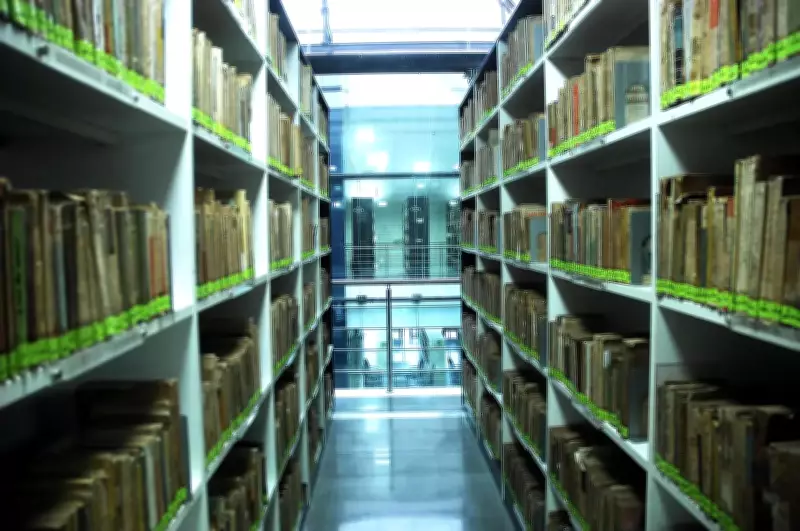
Panaji: Renowned historian and former director of education, Celsa Pinto, has underscored the necessity of having Portuguese-speaking staff at the Goa State Central Library, which houses one of Asia's largest collections of Portuguese-language texts. Speaking at an event marking International Archives Day in Panaji on Tuesday, Pinto emphasized that at least one staff member should be familiar with the collection to assist researchers effectively.
Need for Reader-Friendly Libraries
Pinto stated, "A library should be a reader-friendly library," acknowledging that while library staff have often been helpful to researchers, there is a legitimate expectation that institutions holding significant historical collections should have personnel familiar with those resources. She noted that the presence of Portuguese-speaking staff would greatly facilitate access to the library's extensive holdings.
Encouraging Researchers
Pinto also urged scholars not to be deterred by linguistic challenges. Sharing her personal experience, she said, "When I go to Portugal, sometimes in the archives there, because I speak in English, they have a little difficulty understanding me. Because of that, you should not be afraid." She encouraged researchers to overcome language barriers and pursue their work with determination.

Role of Staff in Translation
While supporting the idea of having Portuguese-speaking staff, Pinto emphasized that researchers should not expect library personnel to undertake all translation work. "Scholars can obtain copies of relevant documents and seek professional translation assistance where necessary," she advised, highlighting the importance of self-reliance in research.
Infrastructural and Administrative Hurdles
Pinto also drew attention to the infrastructural and administrative challenges faced by archival institutions in Goa, including delays in digitization and limited online accessibility of records. She urged authorities to expedite efforts to make archival material available online, noting the difficulties researchers face when working in archives. "It's not a joke to sit in the archives. Sometimes you have to read documents three or four times to make sense of them," she remarked, stressing the need for improved digital access.