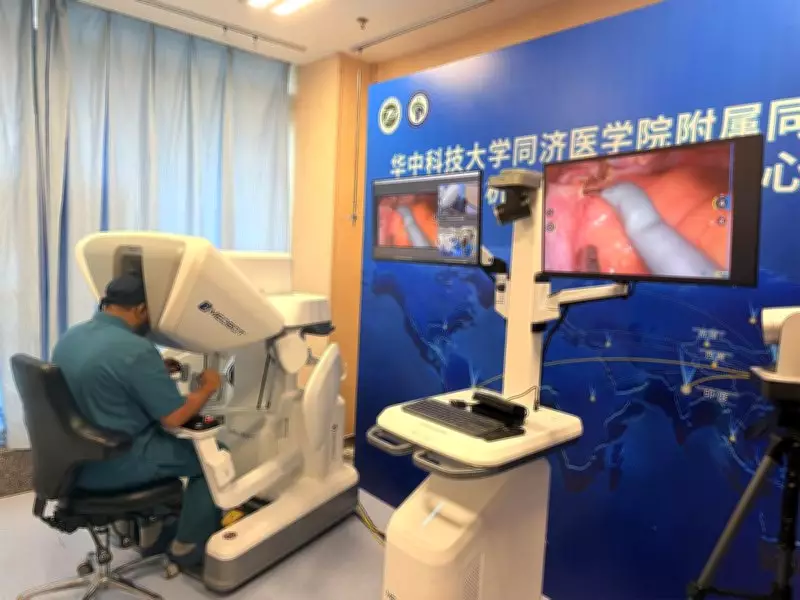
A groundbreaking medical achievement has been reported from China, where a doctor in Wuhan successfully performed a remote robotic surgery on a patient located over 3,000 kilometers away in Lhasa, Tibet. This milestone not only showcases the advancements in telemedicine and robotic technology but also strengthens the collaborative ties between China and India in the healthcare sector.
The Procedure
The surgery was conducted by Dr. Li Wei, a leading surgeon at Wuhan Union Hospital, using a sophisticated robotic system controlled via a high-speed internet connection. The patient, a 45-year-old man suffering from a liver tumor, underwent a successful laparoscopic liver resection. The entire procedure lasted approximately two hours, with the robotic arms replicating the surgeon's movements in real-time with precision.
Technological Aspects
The robotic system utilized in this surgery is equipped with high-definition 3D cameras and advanced sensors, allowing the surgeon to visualize the surgical site in detail. The system also includes haptic feedback, providing tactile sensations to the surgeon, which is crucial for delicate operations. The network latency was maintained at less than 100 milliseconds, ensuring seamless control of the robotic arms.

Significance for China-India Relations
This achievement is particularly noteworthy given the historical tensions between China and India. The collaboration involved Indian software engineers who developed the low-latency communication protocols essential for the surgery. This joint effort highlights the potential for bilateral cooperation in cutting-edge medical technologies, transcending political differences for the greater good of humanity.
Future Implications
Remote robotic surgery could revolutionize healthcare delivery in remote and underserved areas. In India, where access to specialist surgeons is limited in rural regions, such technology could bridge the gap. Dr. Li Wei expressed optimism, stating, "This is just the beginning. With further advancements, we can save countless lives by providing expert surgical care regardless of geographical barriers."
The success of this surgery has prompted discussions between Chinese and Indian health ministries to explore joint initiatives in telemedicine and robotic surgery training programs. Both nations stand to benefit from sharing expertise and resources in this field.
Challenges and Considerations
Despite the success, challenges remain. Reliable high-speed internet connectivity is a prerequisite for such surgeries, which may not be available in all remote areas. Additionally, regulatory hurdles and liability issues need to be addressed. Nevertheless, this milestone paves the way for more collaborative efforts in healthcare technology between China and India.
In conclusion, the remote robotic surgery performed by a Wuhan doctor on a patient 3,000 km away is a testament to human ingenuity and the power of international cooperation. It opens new avenues for medical treatment and strengthens the bond between two neighboring nations through shared technological progress.