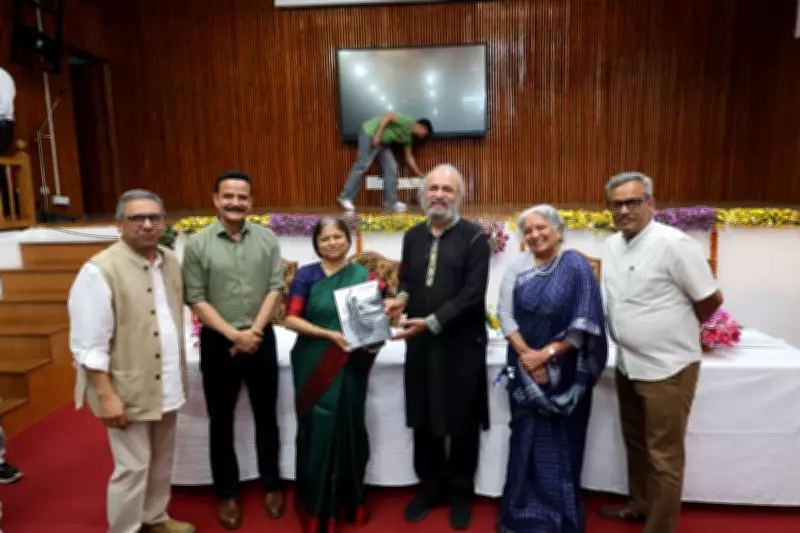
A noted historian has highlighted that the enduring strength of Indian civilisation stems from its remarkable cultural continuity, resilience, and ability to adapt through the ages. Speaking at a recent event in Himachal Pradesh, the historian elaborated on how India's cultural fabric has remained intact despite numerous invasions, political upheavals, and social changes.
Cultural Continuity as a Pillar of Strength
The historian pointed out that unlike many ancient civilisations that have vanished or transformed beyond recognition, Indian civilisation has preserved its core cultural elements for thousands of years. This continuity is evident in traditions, languages, art forms, and philosophical systems that have evolved but never completely disappeared. The ability to absorb and integrate external influences without losing its identity is a unique characteristic of Indian culture.
Resilience Through Change
Throughout history, India has faced waves of migration, conquest, and cultural exchange. Yet, its foundational values—such as tolerance, pluralism, and spiritual pursuit—have remained central. The historian cited examples from literature, architecture, and social practices to demonstrate how Indian civilisation has reinvented itself while maintaining a link to its past. This resilience is not about stagnation but about dynamic continuity.

Lessons for the Modern World
In an era of globalisation and rapid change, the historian argued that India's model of cultural continuity offers valuable lessons. It shows that progress does not require discarding heritage; rather, a strong cultural foundation can provide stability and direction. The historian called for a deeper appreciation of India's civilisational legacy and its potential to inspire future generations.
The event was attended by scholars, students, and local residents who engaged in a lively discussion about the relevance of historical perspectives in contemporary times. The historian's insights underscored the importance of understanding India's past to navigate its future.