When one envisions the wilderness of the American Southwest, images of hot, sandy deserts and towering cacti often come to mind. However, less known is the complex system of rivers, reservoirs, and conserved wetlands that thrive in the region, teeming with diverse life forms. These water ecosystems serve as vital sanctuaries for many cold-blooded animals, including numerous aquatic and semi-aquatic snake species.
Heron Lake: An Alpine Hideaway
Nestled amidst tall ponderosa pine and thick juniper forests, Heron Lake lies quietly within the expansive Rio Grande watershed. Constructed in the early 1970s, this 6,000-acre artificial lake provides a cool, forested habitat for various regional fauna. Dense forests and water availability offer excellent denning opportunities and attract amphibian and fish populations. Along the shoreline, visitors can observe the wandering garter snake, which moves swiftly through water in search of food with incredible agility. Another local species, the New Mexico garter snake, relies on riparian flora for camouflage and quickly dives to depths when threatened. The black-necked garter snake prefers hunting frogs and salamanders in foothills and streams leading to the lake, making this alpine location a hotspot for reptile diversity.
Elephant Butte Reservoir: A Vast Reptile Haven
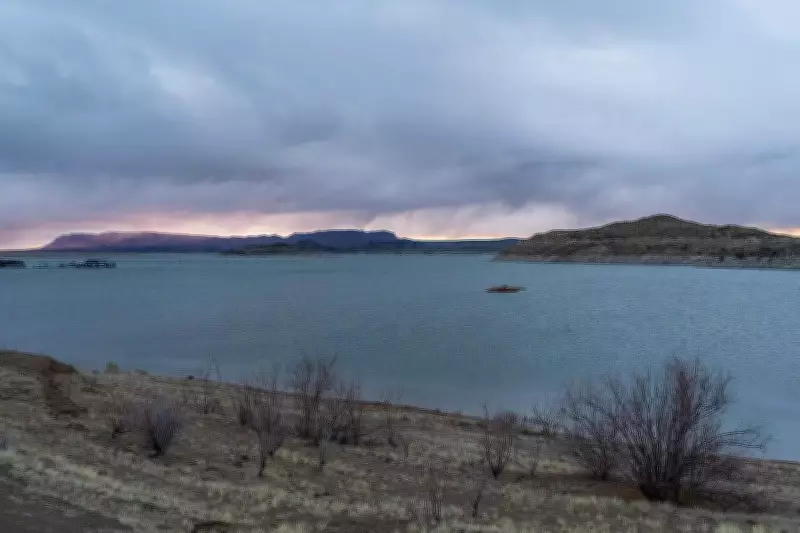
As the largest lake in New Mexico, Elephant Butte Reservoir offers a highly varied habitat that appeals greatly to reptiles. Formed a century ago by damming the Rio Grande, this 36,000-acre lake features numerous coves and rocky points, with fluctuating water levels that regularly expose new driftwood and banking formations. Its warm southern location allows reptiles to thrive well into autumn. Common garter snakes here adapt to seasonal changes by stalking crayfish in spring, then becoming nocturnal hunters in midsummer as temperatures rise. Nearby, the plains hog-nosed snake uses its upturned snout to dig for hidden toads in moist sand. The reservoir includes the infamous Rattlesnake Island, a barren habitat for western diamondback and Mojave rattlesnakes, which, despite preferring dry land, can swim well to access better feeding grounds.

The Pecos River: An Ecological Transition Zone
The Pecos River originates in the Sangre de Cristo Mountains and cascades through arid deserts, cutting through diverse habitats and attracting a high diversity of snake species along its riparian zone. The plain-bellied water snake, an endangered species, rarely ventures from the river's protective currents. These thick-bodied constrictors move quickly to catch slow-swimming fish. Further downstream, where vegetation is abundant, agile western ribbon snakes hunt crustaceans among aquatic plants. Highly adaptive checkered garter snakes inhabit connecting streams, springs, and irrigation channels. At the base of the Jemez Mountains in Cochiti Pueblo, Cochiti Lake boasts a highly diverse shoreline with forested mesas and basalt canyons descending into the river, forming a peculiar delta zone.
Cochiti Lake: Protected Backwaters
Cochiti Lake, situated at the bottom of the Jemez Mountains in Cochiti Pueblo, features a diverse shoreline where forested mesas and basalt canyons meet the river. The lake's northern branch is rich in aquatic fauna, with slow currents creating mud flats and warm shallows teeming with small prey. These mud flats provide perfect hunting grounds for black-necked garter snakes, which thrive in calm, permanent wetlands. Surrounding cottonwood woodlands support healthy populations of common garter snakes. Visitors might even spot a massive gopher snake swimming across the surface. Though primarily land-dwellers, gopher snakes are capable swimmers and possess a clever defense: when cornered, they coil, raise their heads, and shake their tails against dry leaves to mimic a rattlesnake.

Bitter Lake: A Desert Sanctuary
Deep within the Chihuahuan Desert, the Bitter Lake National Wildlife Refuge spans nearly 25,000 acres and serves as a magnet for wildlife. This critical sanctuary centers on shallow desert lakes, mysterious sinkholes, and marshy wetlands fed by the Pecos River. Warm, shallow water and dense reeds create a perfect nursery for amphibians and their predators. These sanctuaries are vital for the western ribbon snake, providing one of the last stable habitats in the region under strict protection. Plain-bellied water snakes rely heavily on such year-round water sources to survive the sweltering desert summers. Rather than avoiding these snake-filled waters, the refuge acts as an essential thermal sanctuary for these reptiles.