The death toll from the powerful earthquake that struck the Philippines has tragically risen to 35, with over 200 individuals reported injured, according to the latest updates from the country's disaster response agencies. Rescue operations are ongoing, but efforts have been significantly hampered by a series of strong aftershocks that continue to rattle the affected regions.
Details of the Earthquake
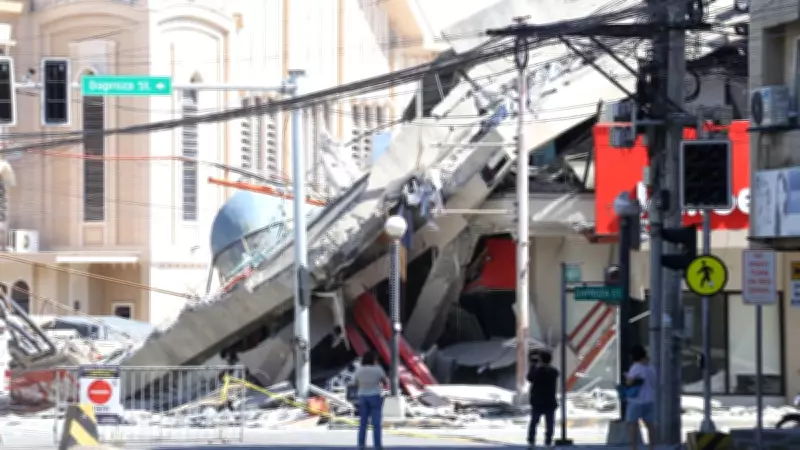
The earthquake, which registered a magnitude of 6.8 on the Richter scale, struck the northern part of the Philippines on Tuesday. The epicenter was located in the province of Abra, a region known for its mountainous terrain and susceptibility to seismic activity. The quake caused widespread damage to infrastructure, including roads, bridges, and buildings, with many structures collapsing or sustaining severe structural damage.
Casualties and Injuries
As of the latest reports, the death toll has reached 35, with the majority of fatalities occurring in the provinces of Abra, Benguet, and Ilocos Sur. The injured count has surpassed 200, with many victims receiving treatment in overcrowded hospitals. Medical teams have been deployed to the hardest-hit areas to provide emergency care, but the ongoing aftershocks have complicated rescue and medical evacuation efforts.

Rescue Operations Underway
Rescue teams, including military personnel, police, and volunteers, are working tirelessly to search for survivors trapped under debris. Heavy machinery has been brought in to clear rubble, but access to some remote villages remains challenging due to landslides and damaged roads. The Philippine Red Cross has set up temporary shelters and is distributing food, water, and medical supplies to displaced families.
Aftershocks and Challenges
More than 100 aftershocks have been recorded since the main earthquake, with some reaching magnitudes of up to 5.0. These tremors have caused further panic and hindered rescue operations, as workers must frequently pause for safety. Local authorities have warned residents to stay away from damaged buildings and to be prepared for potential landslides and tsunamis, though no major tsunami warnings have been issued.
Government Response
The Philippine government has declared a state of calamity in the affected provinces, allowing for the release of emergency funds and resources. President Ferdinand Marcos Jr. has visited some of the hardest-hit areas and assured the public that all necessary measures are being taken to assist victims and restore normalcy. The Department of Public Works and Highways is working to repair damaged roads and bridges to facilitate the delivery of aid.
International Support
Several countries, including Japan, the United States, and Australia, have offered assistance, including search and rescue teams, medical supplies, and financial aid. The United Nations has also pledged support, coordinating with local authorities to ensure an effective response.
As the Philippines continues to grapple with the aftermath of this devastating earthquake, the focus remains on saving lives and providing relief to those affected. The resilience of the Filipino people is being tested once again, but with the collective efforts of local and international responders, hope remains for the recovery and rebuilding of the affected communities.