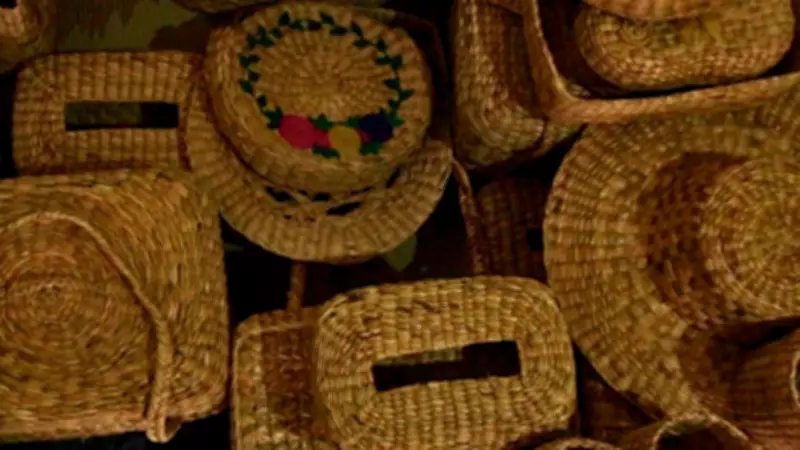
Turning an ecological menace into a source of income, at least 20 women near Assam's Kaziranga National Park are crafting attractive items from dry water hyacinth, an invasive aquatic weed that clogs water bodies in and around the wildlife sanctuary. This initiative not only provides livelihoods but also helps in controlling the spread of the weed.
Transforming Weed into Wealth
Water hyacinth, known for its rapid growth and ability to choke water bodies, is being harvested and dried by these women. They then weave it into a variety of products such as baskets, bags, mats, and decorative items. The craft has become a sustainable source of income for the women, many of whom are from marginalized communities.
Support from Conservation Efforts
The project is part of broader conservation efforts in the region. By utilizing water hyacinth, the women help reduce its abundance, which in turn benefits the aquatic ecosystem of Kaziranga National Park, a UNESCO World Heritage site famous for its one-horned rhinoceroses. The initiative also promotes eco-friendly practices and reduces reliance on synthetic materials.

The women involved have received training in crafting techniques and marketing support. Their products are sold locally and have gained popularity among tourists visiting the sanctuary. This has not only boosted their income but also enhanced their confidence and social standing.
As the demand for these handcrafted items grows, the women are exploring new designs and expanding their product range. The success of this initiative highlights how environmental challenges can be turned into opportunities for community development.