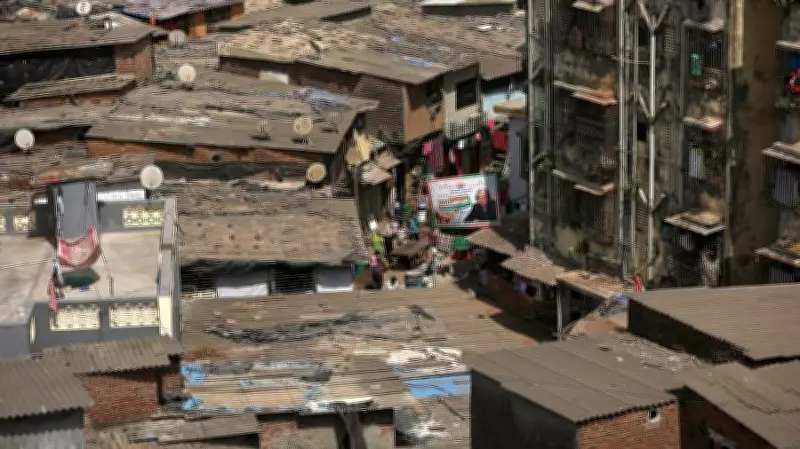
The Dharavi Redevelopment Project is set to take a transformative leap, with Maharashtra Chief Minister Devendra Fadnavis advocating for a model inspired by the high-density, transit-oriented urban systems of Singapore and Hong Kong. During a recent review meeting, Fadnavis emphasized that the redevelopment should prioritize efficient land use and robust infrastructure to create a sustainable and livable community.
Vision for Dharavi's Transformation
Fadnavis stated that the project must not merely focus on housing but integrate transportation, commercial spaces, and public amenities seamlessly. The goal is to replicate the success of Asian city-states where high population density coexists with high quality of life, thanks to excellent connectivity and urban planning. The chief minister directed officials to study the Singapore-Hong Kong model closely and adapt its principles to Mumbai's unique context.
Key Features of the Proposed Model
- High-density housing: Vertical development to accommodate the current population and future growth, minimizing land footprint.
- Transit-oriented development: Integration of residential areas with metro stations, bus stops, and pedestrian pathways to reduce reliance on private vehicles.
- Mixed-use zones: Combining residential, commercial, and recreational spaces to create self-sufficient neighborhoods.
- Green infrastructure: Parks, rooftop gardens, and sustainable drainage systems to enhance environmental quality.
The redevelopment plan aims to provide modern housing for over 60,000 families currently living in cramped conditions. The project will also include affordable housing components to ensure inclusivity.

Challenges and Opportunities
While the Singapore-Hong Kong model offers a blueprint, implementing it in Dharavi poses significant challenges. Land acquisition, rehabilitation of current residents, and funding are critical hurdles. However, Fadnavis expressed confidence that with private sector participation and government support, the project can set a global benchmark for slum redevelopment. The state government has already initiated talks with international urban planning experts and potential investors.
The Dharavi Redevelopment Project is not just about housing; it is about reshaping Mumbai's urban fabric. If successful, it could serve as a model for other Indian cities grappling with rapid urbanization and informal settlements.