A recent analysis highlights how China's strategic infrastructure and energy partnerships have effectively neutralized the threat of an oil blockade in the Strait of Hormuz, a critical chokepoint for global oil shipments. This development comes amid escalating tensions between the United States and Iran, with fears of a potential conflict in 2026. China's investments in overland pipelines and alternative sea routes have reduced dependence on the strait, reshaping global energy dynamics.
China's Strategic Energy Infrastructure
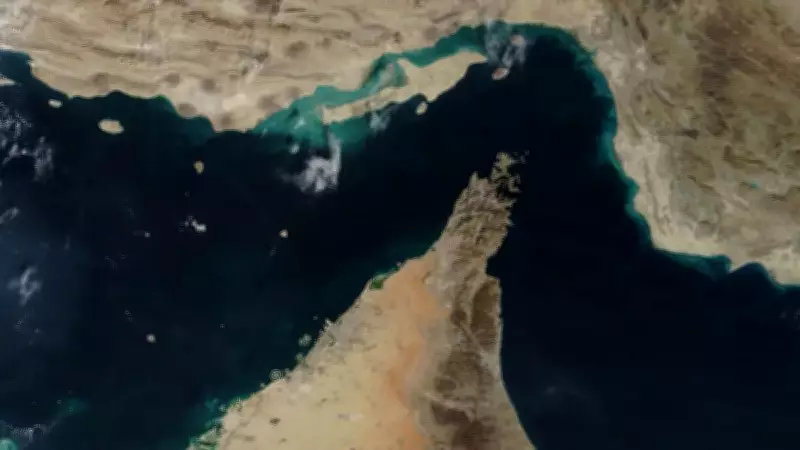
China has long recognized the vulnerability of the Strait of Hormuz, through which about 20% of the world's oil passes. To mitigate this risk, Beijing has invested heavily in pipelines and infrastructure that bypass the strait. Key projects include the China-Pakistan Economic Corridor (CPEC) and pipelines from Central Asia, which provide alternative routes for oil imports. These initiatives have significantly reduced China's reliance on the strait, making a blockade less effective as a strategic weapon.
Impact on US-Iran Tensions
The diminished importance of the Strait of Hormuz has implications for the ongoing US-Iran standoff. Iran has historically threatened to block the strait in response to sanctions or military action. However, with China's alternative routes now operational, such a blockade would primarily affect other nations, like Japan and South Korea, rather than China. This shift reduces Iran's leverage and complicates US military planning in the region.

Global Energy Security Reconfigured
China's moves have broader implications for global energy security. The traditional reliance on the Strait of Hormuz has made the global oil market vulnerable to disruptions in the Middle East. By diversifying supply routes, China has not only secured its own energy needs but also created a buffer against regional instability. Other major consumers may follow suit, leading to a more resilient global energy system.
Key Developments Leading to 2026
- Completion of the CPEC oil pipeline from Gwadar Port to China's western regions.
- Expansion of the Central Asia-China gas pipeline network.
- Increased strategic oil reserves in China, reducing immediate import needs.
- Diplomatic efforts to secure alternative sea routes, including through the Arctic.
These developments have made the Strait of Hormuz blockade obsolete as a tool for exerting pressure on China. However, the strait remains important for other Asian economies, and any conflict could still disrupt global oil markets. The US and Iran must now consider this new reality in their strategic calculations.
Conclusion
China's foresight in building alternative energy corridors has effectively neutralized one of the most potent threats in the Persian Gulf. As tensions between the US and Iran continue, the Strait of Hormuz is no longer the linchpin of global oil security it once was. This shift underscores the transformative impact of infrastructure investments on geopolitics and energy security.