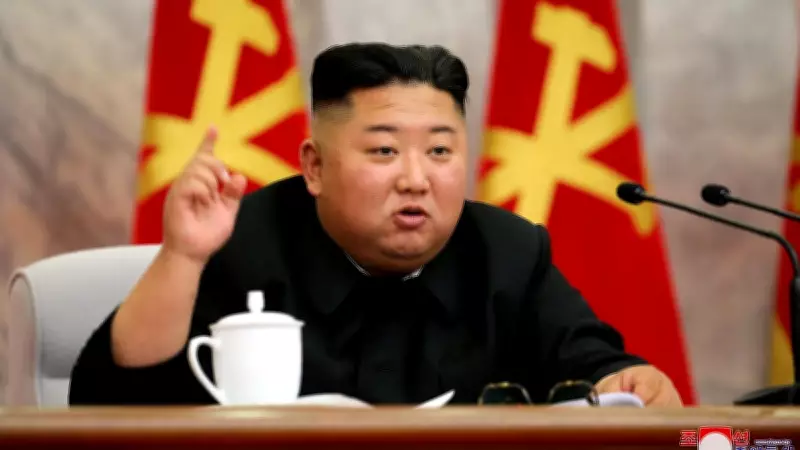
In a development that analysts are calling a 'miraculous transformation,' North Korean leader Kim Jong Un has successfully fortified his nation, leveraging a period of crisis to consolidate power and elevate its global standing. While ordinary North Koreans endured significant hardships, Kim, 42, viewed the situation as a unique opportunity to strengthen his regime. Today, he stands as the most powerful leader in North Korea's history, surpassing even his grandfather, the country's founder, Kim Il Sung.
A Crisis Turned Opportunity
The COVID-19 pandemic, which swept across the globe, presented North Korea with severe economic and humanitarian challenges. Border closures, international sanctions, and a fragile healthcare system exacerbated the suffering of its citizens. However, Kim Jong Un strategically used this period to accelerate his military and nuclear ambitions. By tightening control and prioritizing defense spending, he transformed North Korea into a de facto nuclear power, a status that commands respect and fear on the world stage.
Recognition as a Nuclear Power
Kim's achievements have not gone unnoticed. Both domestically and internationally, he is now acknowledged as a leader who has brought North Korea to the brink of nuclear capabilities. This recognition marks a significant departure from the past, where his predecessors struggled to gain such leverage. The United Nations and various world powers have been forced to engage with North Korea on new terms, acknowledging its nuclear deterrent.

Domestic Implications
While Kim's regime has been fortified, the cost has been borne by the North Korean people. Reports indicate widespread food shortages, limited access to medical care, and a crackdown on dissent. Despite these challenges, Kim's propaganda machine has portrayed him as a savior who protected the nation from external threats. The leadership's narrative emphasizes self-reliance and resilience, further cementing Kim's authority.
International Reactions
Global responses to North Korea's transformation have been mixed. Some countries view Kim's consolidation of power as a destabilizing force, while others see it as an opportunity for diplomatic engagement. The United States and its allies remain cautious, maintaining sanctions while exploring avenues for denuclearization talks. Meanwhile, China and Russia have shown tacit support, recognizing North Korea's strategic importance in the region.
Conclusion
Kim Jong Un's 'miraculous transformation' has reshaped North Korea's identity and global position. By turning a crisis into an opportunity, he has fortified his regime and achieved a status that eluded his predecessors. However, the long-term sustainability of this approach remains uncertain, as the welfare of ordinary North Koreans continues to be a pressing concern. As the world watches, Kim's next moves will determine whether this transformation leads to stability or further isolation.