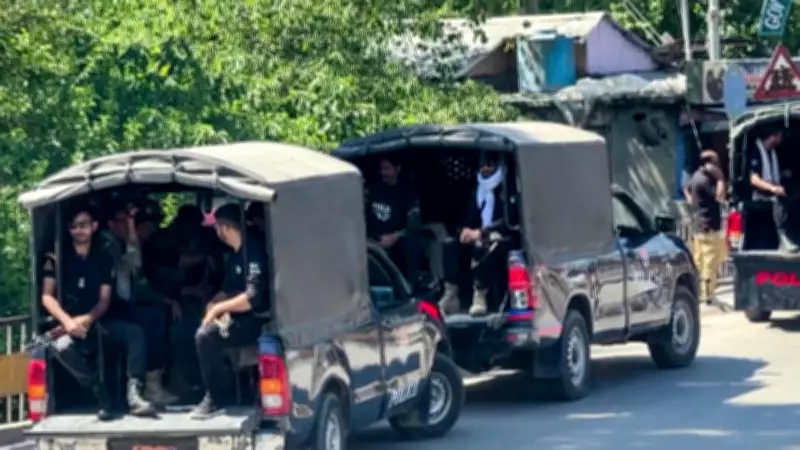
Pakistan-occupied Kashmir (PoK) has been gripped by significant unrest in recent days as authorities intensify a crackdown on the Joint Awami Action Committee (JAAC). The crisis has escalated sharply following violent clashes between protesters and security forces, resulting in deaths, arrests, and growing international concern.
Escalation After JAAC Ban
The latest flashpoint occurred after the government of Pakistan-occupied Jammu and Kashmir (PoJK) outlawed the JAAC, accusing it of activities detrimental to public order and security. Since then, authorities have launched a sweeping operation against the group's leaders and activists. According to Ary News, the PoJK government has announced a reward of Rs 10 million for information leading to the arrest of four wanted JAAC leaders: Shaukat Nawaz Mir, Umar Nazir Kashmiri, Mehran Arshad Khawaja, and Sardar Aman.
From Economic Grievances to Mass Protests
The current unrest did not emerge overnight. The JAAC initially gained support by campaigning for subsidized flour, affordable electricity, and relief from rising living costs. The group later expanded its demands, pushing for greater accountability from authorities and constitutional reforms. One of the most contentious issues now driving protests is the demand to abolish the 12 seats in the PoJK Legislative Assembly reserved for refugees from Jammu and Kashmir who settled in mainland Pakistan after 1947. The JAAC argues that these seats have historically allowed major Pakistani political parties to influence government formation in Muzaffarabad.

According to Dawn, Muzaffarabad witnessed a near-complete shutdown on Tuesday, with markets closed, roads largely deserted, and heavy deployments of riot police and paramilitary personnel. Similar strikes and demonstrations were reported in Mirpur, Kotli, and other districts, where hundreds of protesters participated in rallies despite the crackdown.
Security Crackdown Draws International Attention
The situation deteriorated further after deadly clashes in Rawalakot and other areas. Reports indicate that both civilians and law enforcement personnel were killed during the violence, prompting Islamabad to deploy additional federal paramilitary forces to the region. PoK Prime Minister Faisal Mumtaz Rathore has repeatedly appealed for dialogue. In messages posted on X, he urged protesters to return to negotiations, arguing that disputes should be resolved through discussion rather than confrontation. He maintained that constitutional changes require legislative processes and cannot be achieved through protests alone.
The crackdown has also attracted international scrutiny. Members of the Kashmiri diaspora staged demonstrations outside the Pakistani Consulate in Bradford, UK, accusing Pakistani authorities of using excessive force against protesters. At the same time, dozens of British MPs led by Bradford East MP Imran Hussain urged the UK government to engage diplomatically, citing reports of arrests, communication restrictions, and a breakdown in dialogue between authorities and protest leaders.
The Human Rights Commission of Pakistan (HRCP) has also expressed concern over the 'escalating confrontation' in PoJK, warning that banning popular movements risks shrinking democratic space. It called for immediate de-escalation, an impartial investigation into deaths and injuries, and a return to peaceful democratic processes.
About the Author
TOI World Desk: At TOI World Desk, our dedicated team of seasoned journalists and passionate writers tirelessly sifts through the vast tapestry of global events to bring you the latest news and diverse perspectives round the clock. With an unwavering commitment to accuracy, depth, and timeliness, we strive to keep you informed about the ever-evolving world, delivering a nuanced understanding of international affairs to our readers. Join us on a journey across continents as we unravel the stories that shape our interconnected world.